

Legacy Is the Real Measure of Sustainable Design
Somewhere along the way, we confused sustainability with compliance. We built a language around it: ratings, certifications, performance targets. and we told ourselves that if a building ticked the right boxes, it was doing right by the world. But there's a question those frameworks don't ask and it's the one that matters most: what does this building leave behind?
Not in terms of carbon or in terms of embodied energy, but in terms of meaning. In terms of whether the people who live and work inside it will feel, fifty years from now, that it was worth making. Whether the community around it will mourn its loss or quietly welcome the demolition crew.
Legacy is the real measure of sustainable design. And we've barely started talking about it.
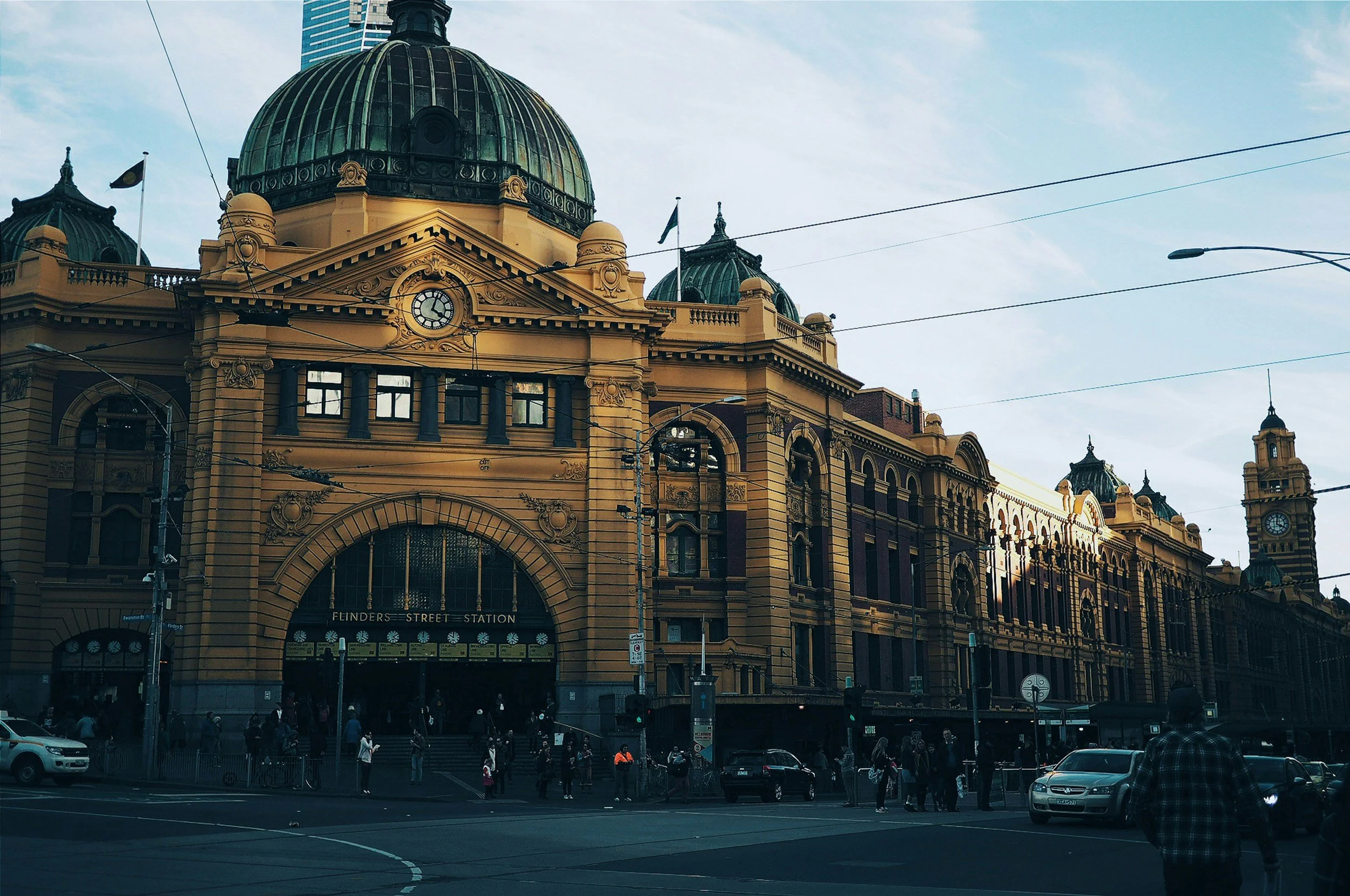
Photo by Fabian Mardi on Unsplash
The Frameworks We've Borrowed
LEED is American. BREEAM is British. Green Star, Australia's own equivalent launched in 2002, was modelled on BREEAM and adapted for local conditions. These are useful tools. They've pushed the industry toward better material choices, lower energy consumption and more considered site responses. Nobody serious argues against them on those terms.
But every one of these frameworks measures inputs and outputs. They measure performance. What they can't measure is whether anyone will love what gets built. Love, in the context of the built environment, is not a soft concept. It's the mechanism by which buildings survive.
The paradox at the heart of technical sustainability is this: a building can achieve the highest possible certification rating and still be demolished within a generation. Not because it failed to perform, but because nobody felt anything for it. Nobody fought for it. It was efficient, and it was forgettable, and eventually it made way for something else.
Meanwhile, Australia was living through its own version of this failure in real time. The building boom of the 2000s and 2010s produced apartment towers at a pace that filled council coffers and satisfied investor demand. It also produced leaking facades, defective waterproofing, combustible cladding. The people who bought into those buildings, many of them first home buyers trusting that the system had done its job, inherited the bill. Body corporates spent years and in many cases millions of dollars correcting decisions they had no part in making.
Grenfell in 2017 made the consequences of that logic impossible to ignore internationally. In Melbourne, the reckoning that followed led to hundreds of buildings being identified as requiring recladding. The cost fell, almost entirely, on apartment owners. The developers had long since moved on.
Efficiency without attachment is a short-term fix. And a system that rewards the appearance of sustainability while permitting that kind of outcome is measuring the wrong things.
What Endures: and Why
Newgrange in Ireland was built around 3200 BCE. It predates Stonehenge. It predates the pyramids. Every year, on the morning of the winter solstice, a shaft of light enters through a roof box above the entrance and travels the full length of the passage to illuminate the inner chamber. It does this because the people who built it understood something about permanence that most contemporary buildings don't even attempt: that a structure worth making should be oriented toward something larger than the moment of its construction.
The Sanchi Stupa in Madhya Pradesh was commissioned by the emperor Ashoka in the third century BCE and expanded over the following centuries by successive communities who had no relationship to its original patron. They added to it anyway. They did so because they understood that they had inherited something worth continuing. Legacy, here, is not a single act of construction. It's a form of custodianship that passes between generations.
Hagia Sophia has been a Christian basilica, an Eastern Orthodox cathedral, a Roman Catholic cathedral, a mosque and a museum. It has been claimed by empires whose names are now only found in history books. It has never been demolished. Because whatever you believe about its current use, the making of it commanded too much respect to destroy.
These are not abstract examples. If you've travelled: and if you've stood inside any of them: you know the particular quality of attention they demand. Something settles in you. It's the result of design that took seriously the question of what it was building toward.
Melbourne has its own versions of this, closer to home and easier to visit. The Royal Exhibition Building was constructed for the 1880 Melbourne International Exhibition and is now a UNESCO World Heritage Site, not because it was preserved behind glass but because successive generations kept finding reasons to use it. Trades Hall in Carlton is Australia's oldest surviving trades hall and remains in active civic use today. Ripponlea Estate has outlasted the fashions and fortunes of multiple owners because it was built with a conviction that the materials and the craft could carry it forward.
And then there are the warehouses. Walk through Cremorne on a weekday morning, or spend a Saturday afternoon in Collingwood, Richmond or Abbotsford, and you'll find some of the most sought-after addresses in Melbourne inside what were once wool stores, printing houses and light industrial buildings. People scramble for these apartments. They pay premiums for the exposed brick, the timber trusses, the industrial proportions. It’s for the particular quality of a space that was made to do real work and has aged into something irreplaceable.
Nobody mandated that outcome. No heritage overlay made those buildings desirable. Someone, somewhere, looked at what could have been a demolition site and saw the narrative value in the bones. They backed it. The market followed. That is what legacy looks like when it's recognised rather than created.
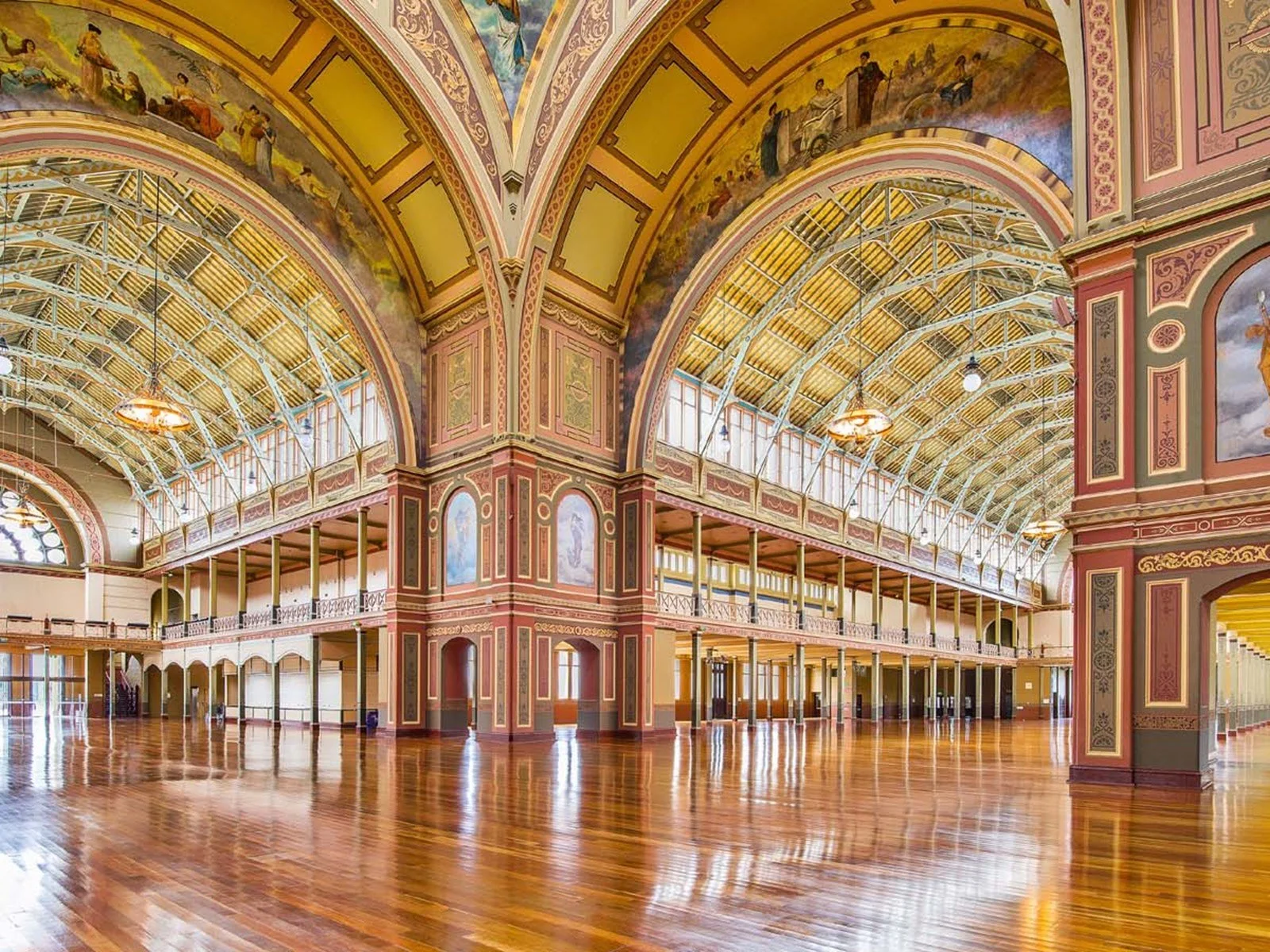
Photo courtesy of Visit Melbourne
Narrative as the Foundation of Longevity
There's a reason the warehouse conversions work and so many new apartment towers don't, and it isn't just the brickwork. It's that the older buildings carry a story their occupants can read. You can feel the history of use in a former factory floor converted to a living space. You understand, without being told, that you are inside something that was made to last. That understanding changes how you inhabit it. You take care of it differently. You talk about it differently. You stay.
Design rooted in story creates emotional investment, and emotional investment is the mechanism by which buildings survive. When people understand why a space is the way it is: why the ceiling is that height, why the material was chosen, why the light enters from that direction at that time of day. they become custodians of it rather than simply occupants. The decision to preserve, to maintain, to adapt rather than demolish begins long before a building reaches the end of its technical lifespan. It begins with whether anyone feels that the space was made with them in mind.
This is the design question we find most important at Storey & Stone: not just what a space will look like, but what story it will tell, and to whom, and for how long. Narrative-led design isn't a stylistic choice. It's a commitment to building things that are worth the telling.
The English Estate Question
We've all felt it. You stand in front of Chatsworth or walk through the villages of the Cotswolds and something in you responds to what you're seeing in a way that goes beyond the tourism instinct. It isn't just that these places are grand, though some of them are. It's that they were made to last by people who believed the work was worth doing properly. The stone was chosen for permanence. The joinery was executed by craftspeople who understood that their reputation would outlive the commission. The gardens were planted on a timescale that assumed the planter would never see them finished.
But here's what's interesting: that same standard of intention was not exclusive to the estates of the aristocracy. Anne Hathaway's cottage in Stratford-upon-Avon is a modest, working farmhouse. It has no grand proportions, no sweeping grounds. What it has is the quality of a home that was made with care by people who couldn't afford to do it twice. Think about the furniture inside a home like that. Would Anne Hathaway have bought a poorly made chair? Almost certainly not. She would have saved for a piece from a local maker whose work she could assess with her own hands. She would have repaired what she had. She would have waited. The economics of permanence, for ordinary people in that era, demanded it.
The question worth sitting with is why we admire that standard so readily in other cultures and other centuries: and why we've stopped holding our own homes and our own cities to it. We travel specifically to be in the presence of things that were made to last. We pay to stand inside buildings that were constructed before the concept of a building warranty existed. And then we come home and accept, without much resistance, interiors assembled from flat-pack furniture with a five-year lifespan and apartments clad in materials chosen because they were the cheapest option at the time of construction.
The gap between what we value when we travel and what we accept when we build is one of the more interesting contradictions in contemporary design culture. Closing it doesn't require a grand estate. It requires a different set of questions at the point of decision.
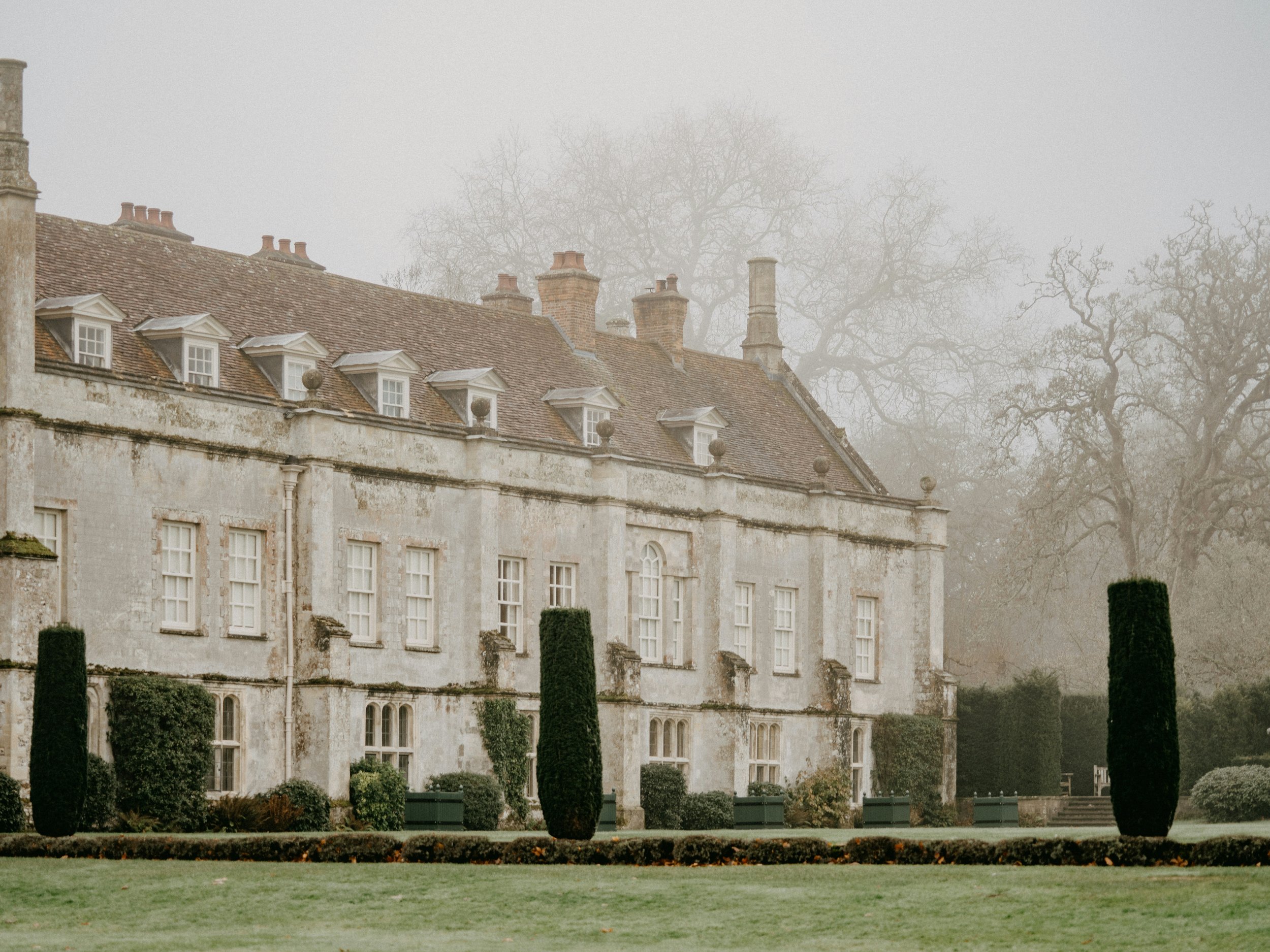
Photo by Annie Spratt on Unsplash
Material Reuse: Remediation, Not Revolution
The growing movement around material reuse in construction is genuinely important, and Melbourne is producing some thoughtful practitioners working in this space. The Melbourne Material Library, run by the team at hyloh, is a curated resource connecting designers, architects and specifiers with sustainable, circular and bio materials: a place to discover what responsible material choices actually look like in practice. It's the kind of initiative the industry needs more of.
But it's worth being honest about what material reuse is, and what it isn't. It is a remedial response. It is an attempt to recover value from decisions that shouldn't have been made the first time: buildings demolished too soon, interiors stripped unnecessarily, cladding pulled from facades across hundreds of Melbourne apartment towers. The salvage economy exists because the construction economy generated so much waste. Material libraries are treating a wound that should never have been opened.
And crucially, they don't change the conditions that created the wound. The inner-suburb warehouse conversions are a genuine exception; cases where reuse and legacy thinking converged to produce something that the market validated and communities embraced. But for every converted wool store in Abbotsford, there are dozens of new developments where the material choices were made on a spreadsheet, not in a conversation about what the building might become.
As long as the underlying appetite for cheap, fast and disposable remains unchanged: as long as developers can still profit from buildings that won't outlast their warranties: material libraries are doing important work at the margins of a problem that lives at the centre. The harder conversation is about values, not logistics. It's about why we still commission, purchase and accept things we know won't last. It's about what we think we're building toward.
Legacy-Led Design in Practice
If legacy is the standard, the questions at the beginning of a project change. Not: what is the budget for materials? But: what will these materials look like in thirty years, and do we want to be associated with that? Not: what does the client want now? But: who will this space belong to in fifty years, and what will they need from it?
Materiality becomes a signal of intention. When you use stone, hardwood, hand-finished plaster, materials that improve with age and use rather than degrading. you are communicating something to the people who will inhabit the space. You are telling them it was worth doing properly. That communication is not lost on people. It changes how they relate to the space and, by extension, how long they keep it.
Craft and detail matter for the same reason. A well-made junction between two materials, a considered threshold, a door handle that sits correctly in the hand. These are not luxuries. They are signals that the designer believed the project deserved attention in all its particulars. Buildings full of those signals accumulate into places people feel compelled to protect.
Flexibility is the other critical dimension. The buildings that endure longest are rarely the ones designed for a single, fixed purpose. Hagia Sophia endured in part because its structural generosity allowed it to be reimagined across multiple uses and eras. The warehouses of Cremorne endured because their industrial bones were robust enough to accommodate a use their builders never imagined. Designing for flexibility, for the space to evolve without losing its essential character,is an act of humility about what the future will need. It's also one of the most practical things a designer can do in the service of longevity.
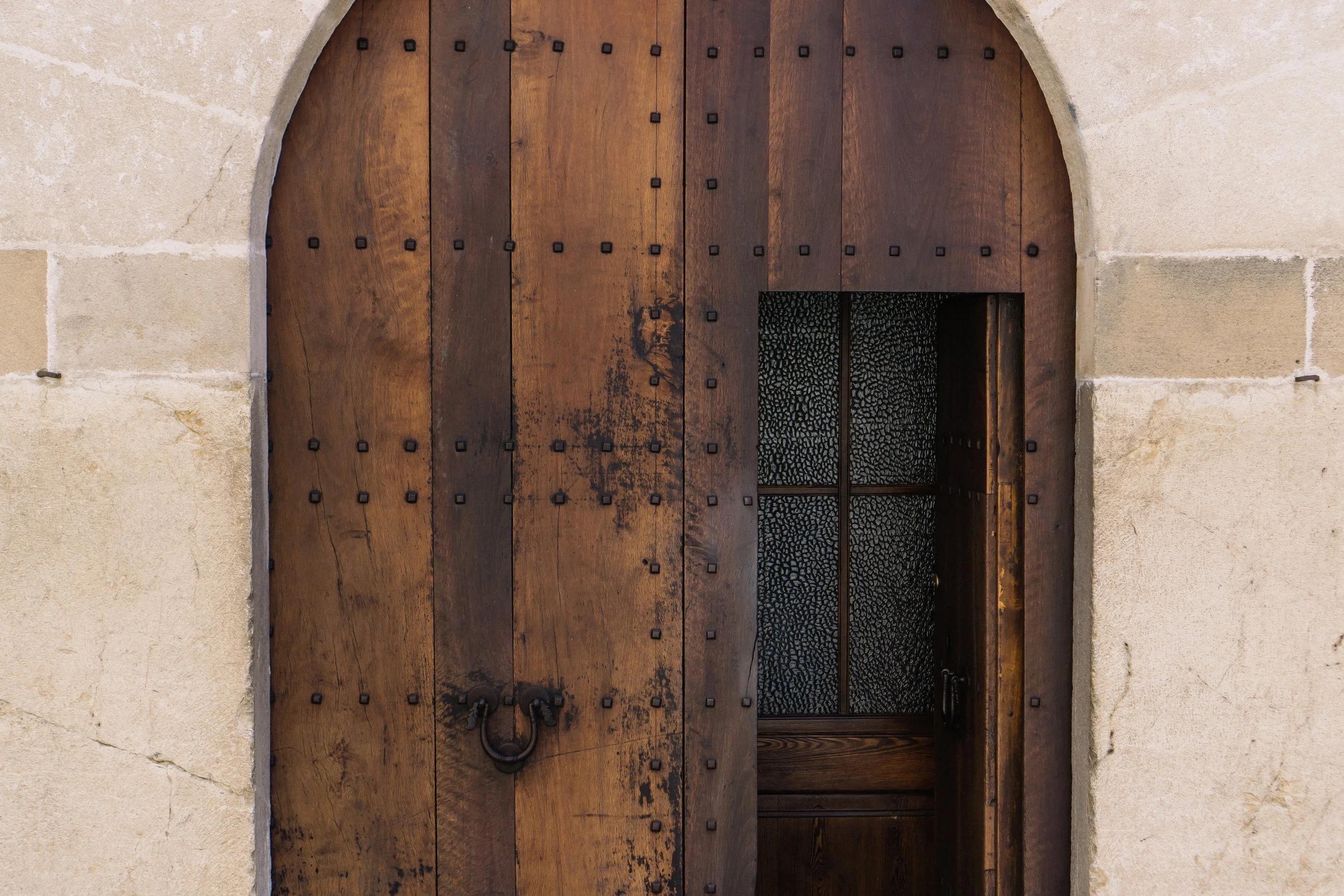
Photo courtesy of Freepik
A Different Scorecard
Current frameworks measure what's easy to measure: energy use, material composition, carbon output. These things matter. But they capture none of what makes Newgrange extraordinary, none of what draws people to stand in line for a warehouse apartment in Collingwood, none of what we feel in front of Chatsworth.
A broader framework for evaluating the sustainability of design would ask different questions. Does this building contribute something to the civic life of the place it occupies? Does it tell a story that the people around it can read and relate to? Is it built with the kind of care that communicates to future occupants that it was worth making? Will it be worth adapting rather than demolishing when the current use changes?
These are harder questions to score. They don't lend themselves to a star rating or a percentage. But they are the questions that separate buildings that endure from buildings that are merely efficient. That distinction is, ultimately, the one that matters most if we're serious about sustainability in any meaningful sense of the word.
Moving from compliance to conviction doesn't mean abandoning the frameworks we have. It means holding design to a longer, richer standard alongside them.
A Call to Hold Design to a Longer Standard
Sustainability without legacy is incomplete. A building that performs but doesn't endure has done half the job. A material choice that reduces carbon in the short term but contributes to a structure nobody will fight to preserve is, over the full arc of its life, not as sustainable as it appears.
The invitation here is to ask more: of what we build, of what we buy, of what we commission and what we accept. To close the gap between what we value when we travel and what we settle for at home. To ask, before a single decision is made on a project, not just what this will cost but what this will mean, and to whom, and for how long.
At Storey & Stone, that question is where every project begins. Not because legacy is a marketing position, but because we believe that design is a medium for communicating something about what a life, a family or a community values. The built environment has an obligation to carry those values forward. Every project is an opportunity to contribute to something larger than itself. We think that's worth building toward.