

Small Spaces, Big Thinking
Why Quality Interior Design Matters More in Compact Homes
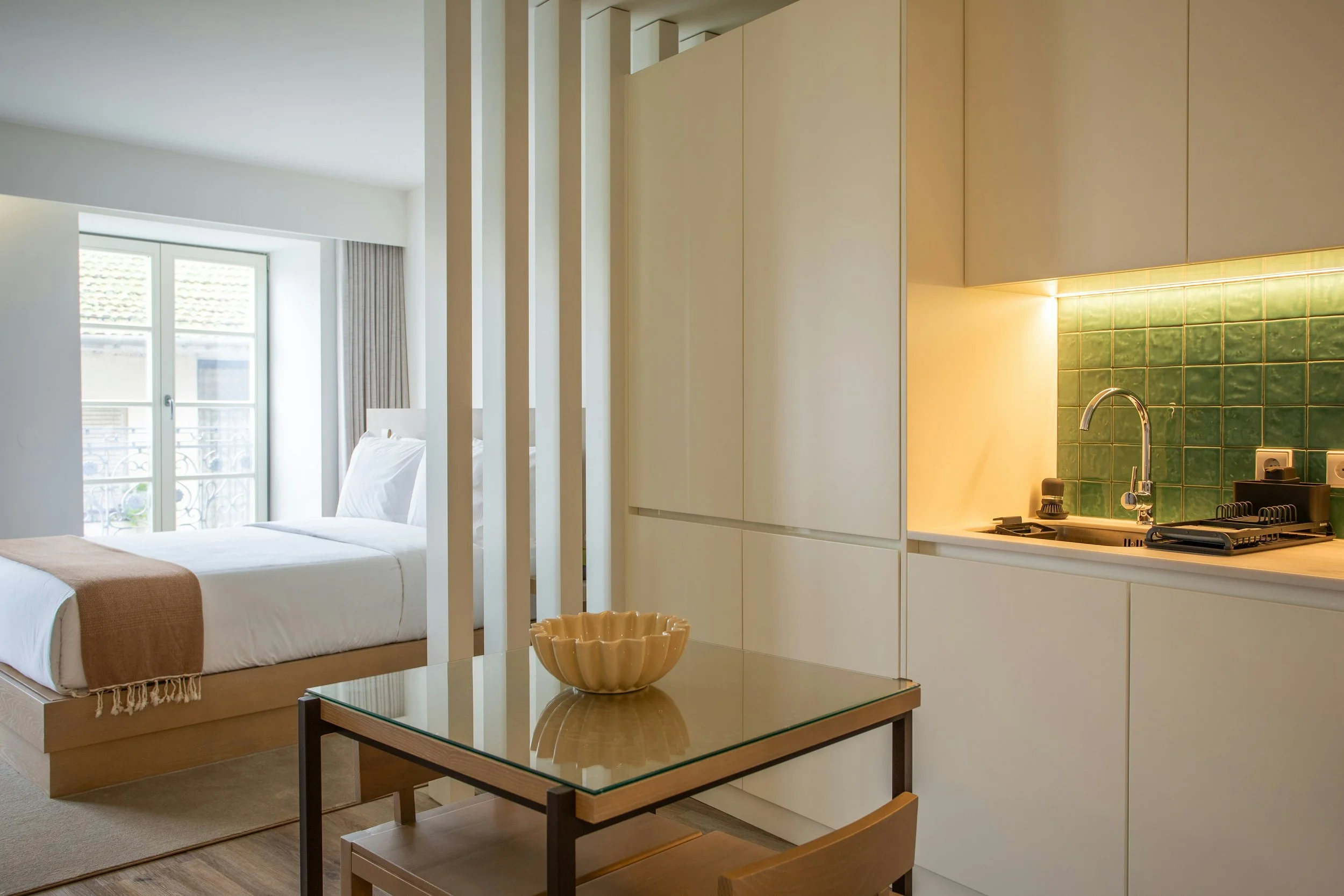
Photo by Aquilion Property on Unsplash
There is a persistent myth in residential design that beautiful interiors are reserved for large homes with endless square metres to work with. That is true to some extent as my career can attest to. On the other hand the homes that are smaller are, to me, the more interesting.
Some of the most thoughtful, meaningful and enduring interiors are found in the smallest homes. Details such as colour, accents or creative stonework are often appreciated more deeply in compact spaces where they can be experienced up close and in an intimate setting.
Compact spaces like apartments or studios demand a certain unique clarity. They require restraint, intention and an understanding of how people truly live within a space, not just how a room photographs or creates a first impression to visitors. This philosophy is central to my design ethos for all homes but, in particular, smaller ones.
Why Small Homes Deserve Exceptional Design
A smaller home leaves little room for error and every decision carries weight. When space is limited, poor planning is felt immediately. Circulation becomes awkward, storage feels chaotic, lighting can create unwanted shadowing or glare. Materials that might feel “fine” in a larger home can quickly overwhelm or cheapen a compact one.
On the other hand, when a small home is well designed, it feels calm, rich and high-end. Quality interior design in compact spaces is all about editing, prioritising what matters and allowing the home to enhance daily life with ease and without compromise. A carefully considered apartment can feel more luxurious than a large house that lacks design intention or purpose. Just have a look at Parisian pied-a-terres; petit, urban focused & functional. Despite their size & function, people pump a lot of care into their city abodes in order to carry the luxe feel of their larger homes into the everyday lives.
The Global Shift Toward Thoughtful, Smaller Living
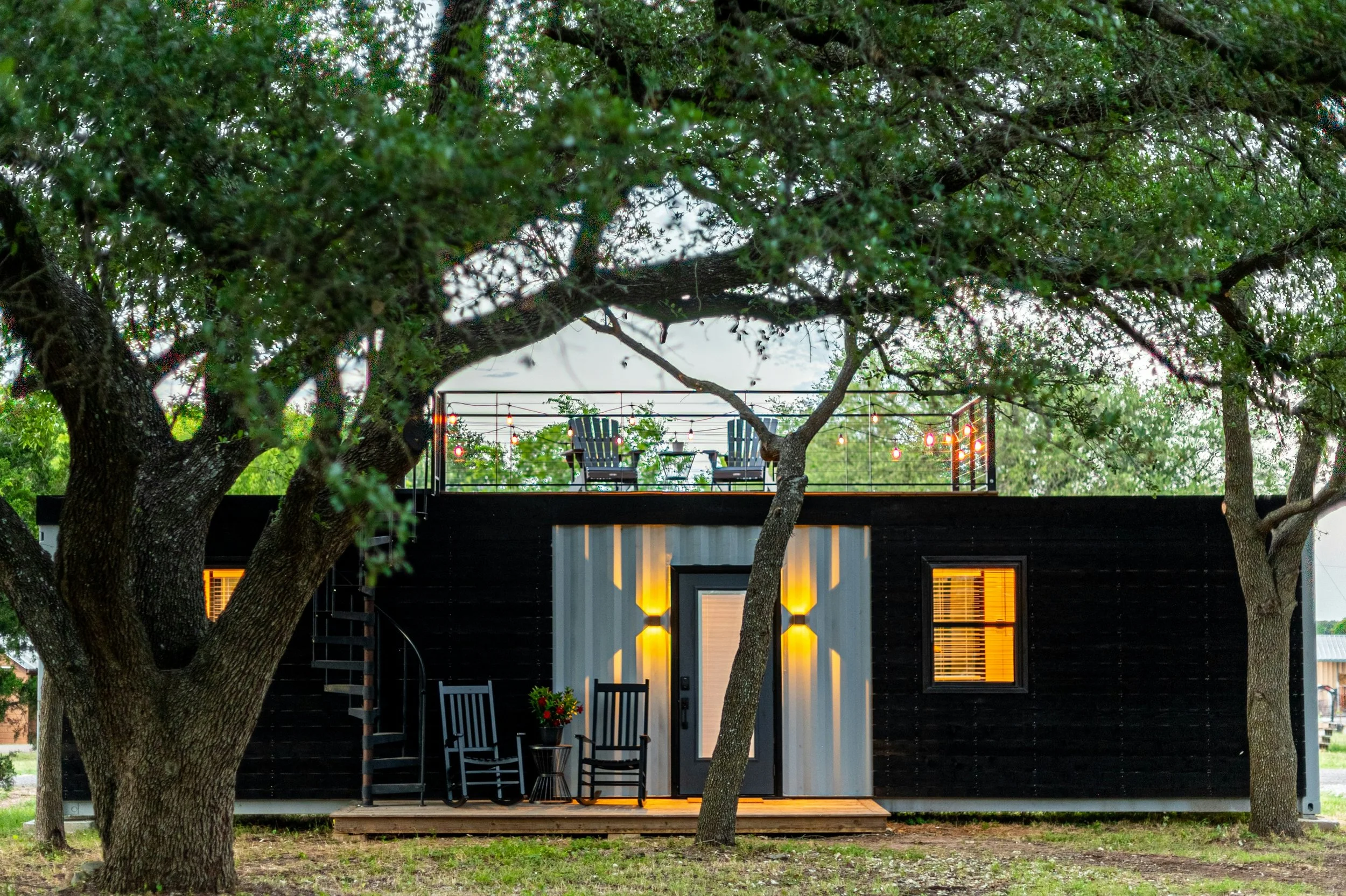
Around the world, we are seeing a growing appreciation for well-designed small homes. Along with the Tiny Home craze, platforms such as Never Too Small and Apartment Therapy have helped reframe how people perceive compact living.
These homes are not treated as compromises. They’re celebrated for their ingenuity, craftsmanship and immense creativity. Storage is integrated seamlessly. Materials are chosen based on appropriateness of application rather than trend. Light, texture and proportion are used with intelligence and care. Most importantly each home owner’s personality (through ancestry, life experiences, creative pursuits etc.) are highlighted for all to see. They create a wonderful story of the person who lives there.
This global movement reflects a broader cultural shift toward sustainability, intentional living and quality over quantity. Smaller homes use fewer resources, require less energy, less maintenance and encourage a more considered relationship with possessions and space. They can also foster a sense of community, where borrowing or sharing infrequently used items often replaces the need for excess storage within the home.
Melbourne Living: Why This Matters Locally
In Melbourne, small-space living is not a niche. It is increasingly the norm. From inner-city apartments and heritage terraces to new medium-density developments, many homeowners are choosing to live more centrally and with less excess. These homes often come with constraints: narrow footprints, heritage overlays, awkward layouts or limited natural light.
Thoughtful interior design allows these challenges to become strengths. A well-designed apartment can respond to seasonal light changes, create visual warmth during winter and maintain coolness in summer. Clever spatial planning can make a modest footprint feel expansive without relying on gimmicks or short-term solutions.
Importantly, good design also supports mental and physical wellbeing. Homes that respect light rhythms, air quality, spatial flow and biophilic design help people feel grounded and at ease the moment they step inside.
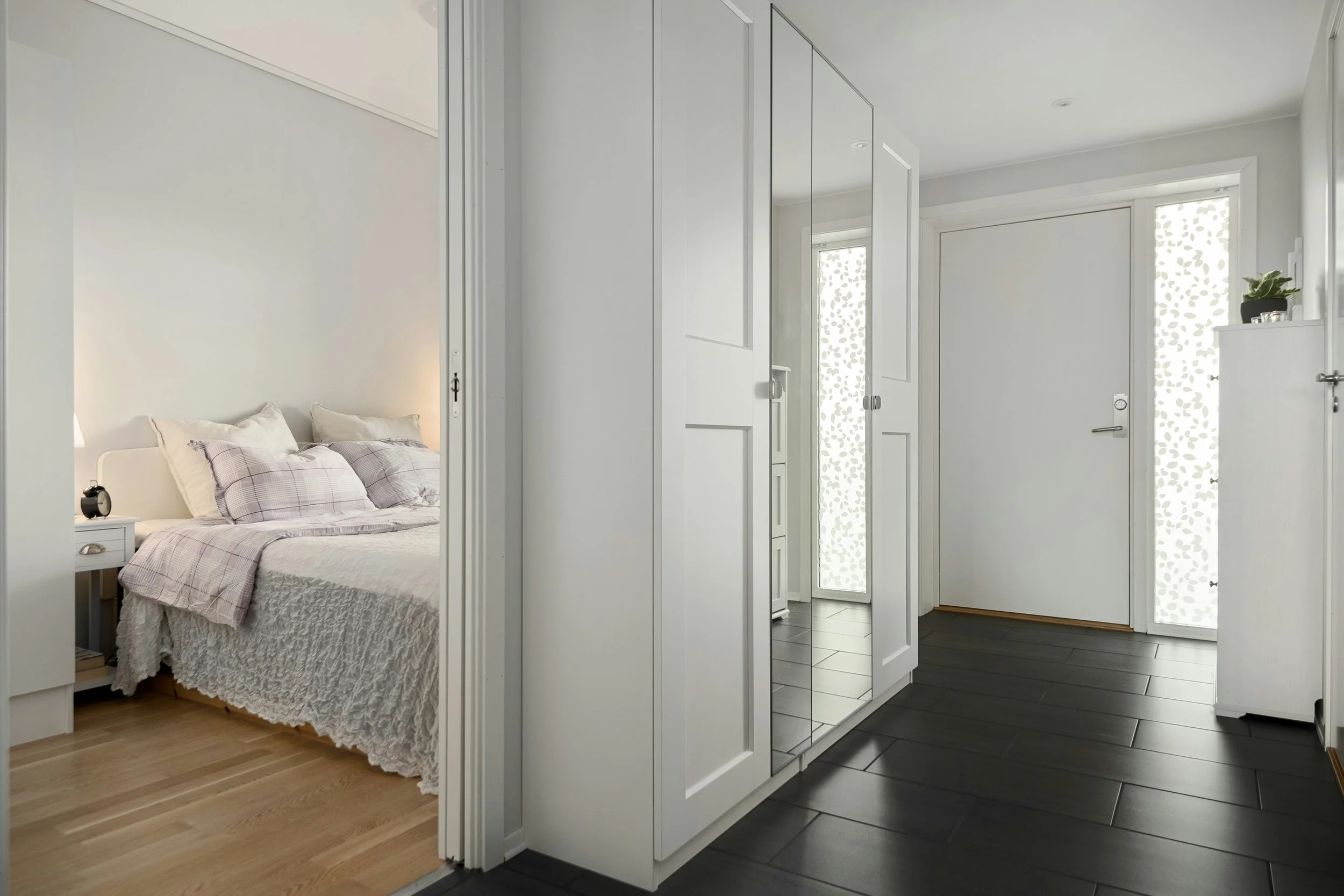
Photo by Alex Tyson on Unsplash
Designing for Experience, Not Just Appearance
I believe a home should be immersive. It should hold moments. It should support memory, ritual and daily life rather than simply looking impressive online.
In small homes especially, this means:
Designing spaces that feel intuitive and effortless to move through
Choosing materials that age gracefully, particularly when they are experienced up close and more frequently than in larger homes
Prioritising integrated, discreet storage to reduce visual noise
Allowing light and circadian rhythms to shape atmosphere throughout the day
Valuing craftsmanship and detail over surface-level aesthetics
A compact home designed with care becomes deeply personal. It reflects the people who live there: how they start their mornings, how they unwind at night, how they host friends or retreat into quiet.
A New Generation’s Perspective
For many Australians, the idea of living small represents a quiet but significant departure from the previous generation’s norm. The long-held ideal of the Australian dream, centred on a detached house in the suburbs, no longer reflects the realities facing many people today. Changes in property affordability, access to housing and shifting priorities around how and where people want to live have reshaped what is both possible and desirable.
This transition can create tension across generations, particularly when smaller homes are viewed as a compromise rather than an intentional choice. In practice, living small is often a considered response to contemporary conditions, one that places greater value on location, quality of space and how a home supports everyday life.
A Thoughtful Future for Residential Design
As cities continue to densify and housing needs evolve, the importance of high-quality small-space design will only grow. The future of residential interiors is not about excess. It is about intelligence, sustainability and emotional connection. Great design is not defined by square metres. It is defined by how a space makes you feel.
If you live in a small home and believe it deserves the same care, craftsmanship and attention as any larger residence, you are not alone. And you are exactly who we design for.