

Why Your Home Deserves a Story
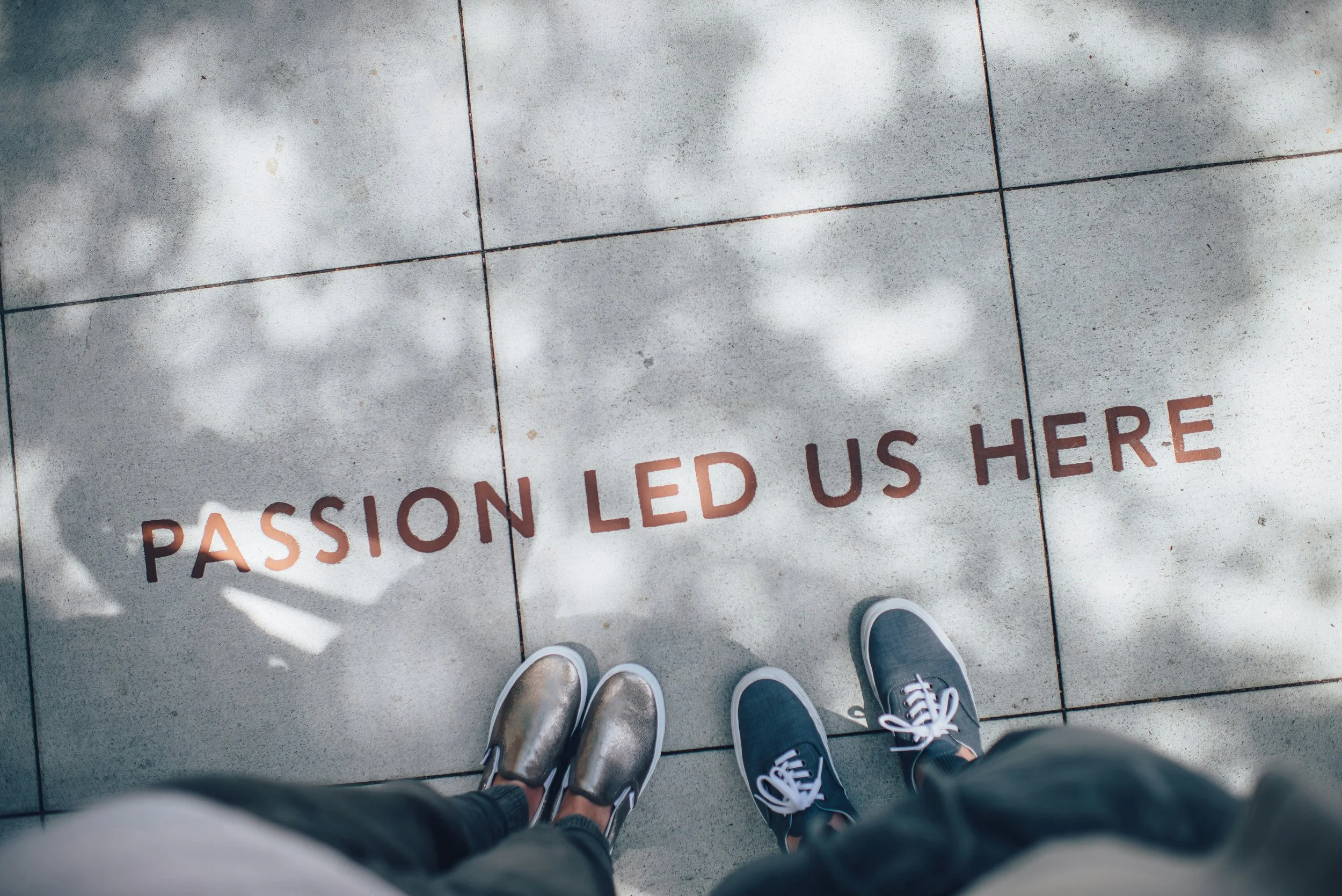
Photo by Ian Schneider on Unsplash
I. The Problem With Pretty
The aesthetics that dominate interior design today aren't arbitrary. Mid-century modern, Japandi, maximalist Victorian revival: each of these styles emerged from a specific cultural moment. Social upheaval, post-war reckoning, a generation pushing back against what came before. The look was never just a look. Behind every aesthetic was a worldview where a generation responded to the world it had inherited.
When we reach for those aesthetics now, stripped of their original tension and meaning, we're borrowing the surface while discarding everything underneath. We're reaching for someone else's answer before we've thought to ask the question ourselves.
This is the tension at the centre of how interior design is consumed today. Social media rewards the polished image, and rightly so, beautiful spaces deserve to be seen. But the feed flattens everything into visual currency. Meaning, context and the particular life of a particular person dissolve into a palette and a mood.
Design strategist and Yellowtrace founder Dana Tomić Hughes calls this "The Great Flattening": the feedback loop that rewards the pleasing image, penalises boldness and quietly erodes the critical thinking that design depends on. It makes every room look like it could belong to anyone, which is another way of saying it belongs to no one.
Nowhere is this more acute than in the rise of AI-generated interior imagery. These tools can produce, in seconds, something that looks like the work of a skilled designer. The proportions are considered. The materials feel curated. A client can walk into a first meeting holding a vision that appears fully formed.
But appearance and authorship are not the same thing. AI imagery generated at the start of a process, before listening has happened, before a home has been walked through, before anyone has asked who you are and what you need this space to hold, is not design. It’[0s decoration at speed, ignoring the design fundamentals of concept, place, narrative and refinement.
This article is about what becomes possible when we close that gap.
II. What Narrative-Led Design Actually Means
To be clear from the outset, narrative-led design starts with a different question entirely, one that has nothing to do with style or aesthetics.
Most design processes start with a brief of what you want the space to look like. Narrative-led design starts with who you are, how you live and what you want your home to hold. The aesthetics follow where the story leads.
Narrative-led design isn't optimised for the magazine feature or the brand collaboration. Those things have their place and they produce genuinely beautiful work. But a home designed to be photographed is making an argument to a viewer. Narrative-led design makes an argument to the person who lives there. The audience is different and that changes everything.
This means the brief is a conversation rather than a checklist. About the objects you've carried from one home to the next and can't quite explain why. About the places that have shaped you, the people who raised you, the life you are building now and the one you are still reaching for. About what comfort actually feels like to you in the most specific, personal sense of the word.
You bring all of that into the room before a single decision is made. A good designer's first job is to listen to it. It's the most underrated part of the process and, in my experience, the most critical. It requires knowing what questions to ask, how to read what is said and what isn't, and how to translate something as intimate and complex as a life into space and form. The drawing comes later. The thinking starts here.
This is what separates narrative-led design from the rest. We build the story then design from it. From the inside out.

III. Authenticity and Why Generic Doesn't Work
Walk through your home right now and ask yourself honestly: which parts of it actually reflect you? I don’t mean the version of you that was drawn to a particular Pinterest board at a particular moment, but the person underneath that. The one with a specific history, specific memories and a specific sense of what makes a place feel like home.
For many people, the answer is uncomfortable. Pieces chosen because they were trending. Colours selected because they felt safe. Rooms that look considered but feel, somehow, like they belong to a slightly different life.
This is what the online design world produces. A flattening of who we are based on what we can resource. Spaces assembled from the visual language of a cultural moment rather than the particular truth of the person living there. And like all borrowed things, they carry a subtle wrongness. A faint sense that the fit isn't quite right.
Nowhere is this more visible than in the objects we choose to fill those spaces. Decor pieces manufactured to look aged, distressed to suggest a history they don't have, made from virgin materials and shipped across the globe to suit an aesthetic someone decided was having a moment. They're designed to look like they carry a story. They don't. A genuine antique, a pre-loved piece, an object passed down or found by chance, brings something into a room that cannot be manufactured: the weight of actual time. A piece made by someone you’ve followed and understand how they made it and why: this tale of craftsmanship is now part of your story.
The homes that stay with us, that we remember long after we've left them, are never the most stylish ones. They're the most specific. The grandmother's sideboard with the stubborn drawer. The lamp bought on a trip that changed how you saw things. The chair that belonged to someone who taught you something. Each one a lesson, carried forward into the life being built around it. In his book Sapiens, Yuval Noah Harari describes the cognitive revolution and the profound depth of storytelling in our psychology. For 70,000 years, narrative has been woven into what we are. This cannot be extracted from our lives without consequence. A home built around a frictionless aesthetic, one that bypasses narrative entirely, is working against something that has been fundamental to us for 70,000 years.
A home that answers these questions honestly becomes something rare and wonderful over time. Rather than dating, it deepens. The longer you live in it, the more it reveals, about who you were when you made it, the life you were living and the person you've grown into since. That richness is what we're always reaching for.
And the most exciting part? Only you can bring that to life.
IV. Emotional Trust — The Stakes Are Real
Inviting a designer into your home is an act of unusual vulnerability. Unlike hiring someone to fix a problem with a defined solution, you're asking another person to understand something about you that you may not have fully articulated to yourself, and then to make it physical and permanent. That requires a particular kind of trust. The kind that can't be established through a portfolio alone.
And then there's the financial reality. A considered interior project, a renovation, a home designed with genuine intention, is one of the largest investments most people will make outside of the property itself. The two things together, the emotional exposure and the financial stakes, mean that getting this relationship wrong carries real consequences. A result you're disappointed with and, worse, one you have to live inside every day.
This is why the design process itself matters as much as the outcome. A client who feels heard at every stage makes better decisions. They're more willing to be honest when something isn't right, more trusting when the designer pushes back, more confident in the choices they ultimately make. That openness produces better work because the collaboration has more truth in it.
From a designer's perspective, holding that trust is the most serious part of the work. It means never overriding a client's instincts without explanation, being honest about what something will cost, what it will look like and what the risks are before a decision is locked in. It means understanding that every decision touches someone's daily life. The morning light they wake up to. The table where difficult conversations will happen. The room a child will carry in their memory for the rest of their life.
That weight deserves to be taken seriously. It's why narrative-led design is less a methodology than a commitment to a different kind of relationship between designer and client. One built on listening, honesty and the shared understanding that what's being made here matters far beyond how it photographs.
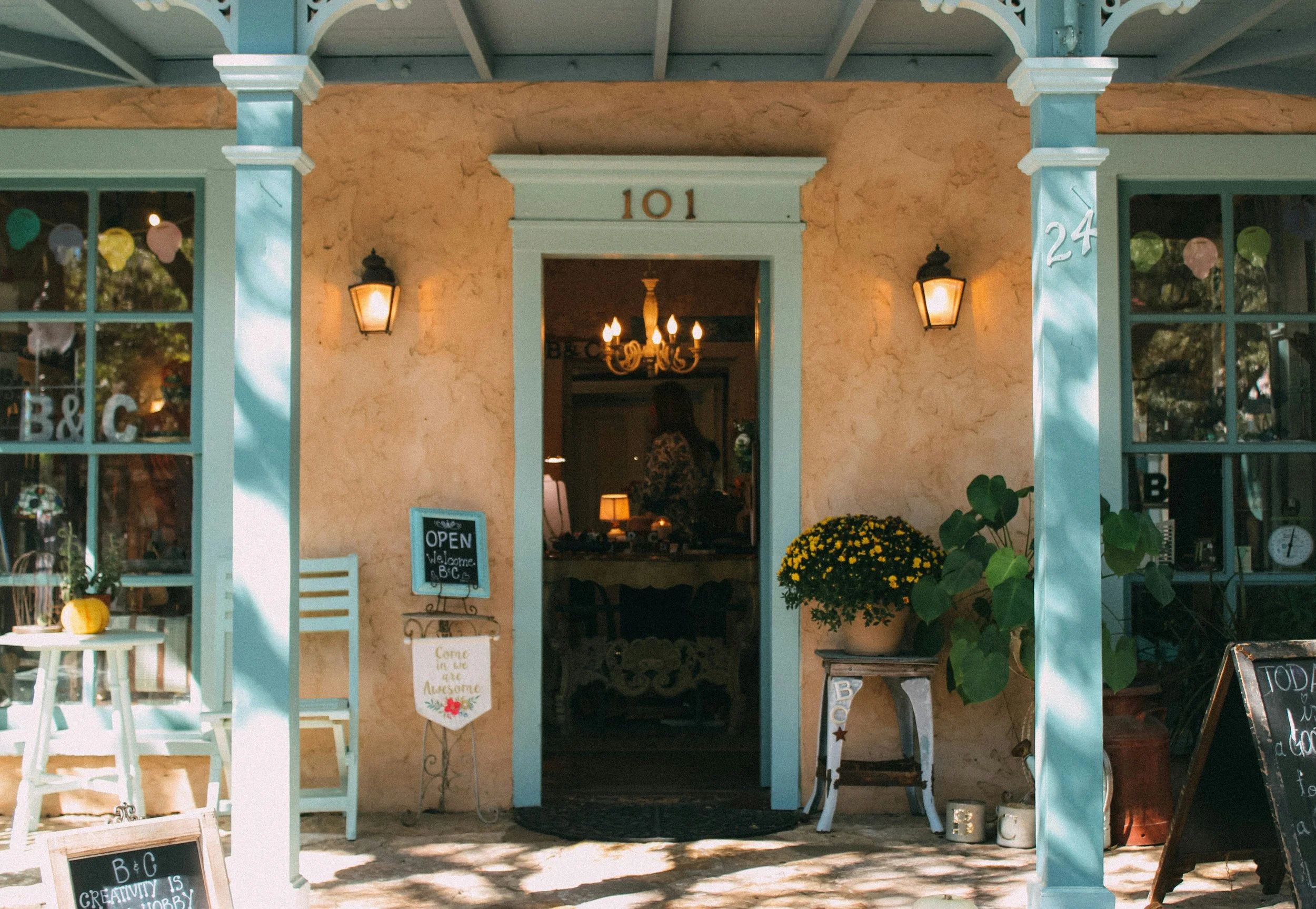
Photo by Julia Karnavusha on Unsplash
V. Sense of Place: Designing for Where You Actually Are
Every building arrives with a history before you do, sitting on a street with its own logic, receiving light at a particular angle at a particular time of day. The materials of the neighbourhood, the brick, the timber, the ironwork, speak a visual language that predates any decision you'll make inside.
When design ignores that, something goes missing. An interior that could exist anywhere tends to feel like it belongs nowhere. The transportable aesthetic, the look lifted wholesale from a different climate, a different culture, a different century, sits uneasily in its context. You can feel it without being able to name it. A faint disconnection between the inside of a home and the world just beyond its walls.
Thoughtful design is in conversation with where it is. It responds to the scale of the street, the rhythm of the architecture, the particular quality of the light. It holds these things in mind, neither replicating them nor freezing a building in its original moment, always working with the grain of a place.
In Melbourne, that conversation is especially rich with the inner suburbs carry extraordinary architectural depth: the Victorian terrace with its bluestone foundations and ornate lacework, the interwar bungalow with its generous verandahs and unpretentious warmth, the postwar brick veneer sitting quietly on its quarter-acre block. Each of these building types has its own material logic, its own relationship to light and land, its own emotional register. A Fitzroy terrace and a Northcote bungalow ask entirely different things of a designer.
Melbourne's cultural geography adds another layer. These neighbourhoods were shaped as much by the communities that moved through them as by the architecture itself, the migrants who remade them, the artists and workers and families who left their particular mark on the streets, the buildings and the character of the place. That history is still present. It's in the fabric of the buildings, the names above the shopfronts, the gardens that have been tended across generations.
A home that acknowledges where it sits, that draws from the architectural and cultural logic of its place rather than importing a ready-made aesthetic from somewhere else, becomes part of something larger than itself. It contributes to the continuity of a neighbourhood rather than interrupting it. And for the person living there, there's a humbling sense of knowing where you stand in the legacy of that place.
VI. Heritage and Cultural Storytelling
For many people living in Australia, identity is a layered thing. A childhood shaped by one culture, a life built inside another, with the food, the rituals and the objects carried across borders and oceans sitting alongside the particular rhythms of an adopted country. In that layering there is richness and, often, a quiet tension that most spaces never quite resolve.
Home is one of the few places where that tension doesn't have to be managed, where the full complexity of who you are can be present without negotiation or compromise. Some parts of a cultural identity resist easy translation. The attempt can risk misrepresentation, fetishisation or the kind of misunderstanding that flattens something living into something decorative. So those parts get left out of the public conversation. They become private, held close. But in your own home, that calculation changes. Here, you're the author. Those parts of you can be expressed in your own voice, on your own terms, without explanation or apology.
This is something Storey & Stone understands from the inside. Designing between two cultural worlds means knowing what it feels like to love things that don't obviously belong together. A reverence for the craft and heritage of one world alongside a deep appreciation for the restraint and spatial logic of another. The meeting point of those two sensibilities is a design language waiting to be developed.
Heritage in a home doesn't mean recreating the past or importing the visual language of another place wholesale. That path leads to nostalgia, a form of distance masquerading as connection. The more generative path is to ask more precise questions. What are the values embedded in the way your family has always lived? What is the relationship to hospitality, to gathering, to the objects that get passed down? What does comfort mean to you, and where did that understanding come from? Those answers carry a design brief more specific and more alive than any mood board could produce. And the beauty of it is that these questions aren't specific to any country or region. They apply to anyone.
Australia sits at the nexus of the old world and the new. As a young country woven together from so many histories, cultures and ways of living, we carry an extraordinary opportunity: to listen and learn from the past while looking deliberately toward the future. The most interesting homes being made here are the ones that hold this understanding. They honor the past with the knowledge that we hold a responsibility in its retelling, contributing to something larger: the ongoing, unfinished project of understanding what it means to live here in this particular place and time.
That is what it means to bring the full self in, and what a home, at its best, makes possible.
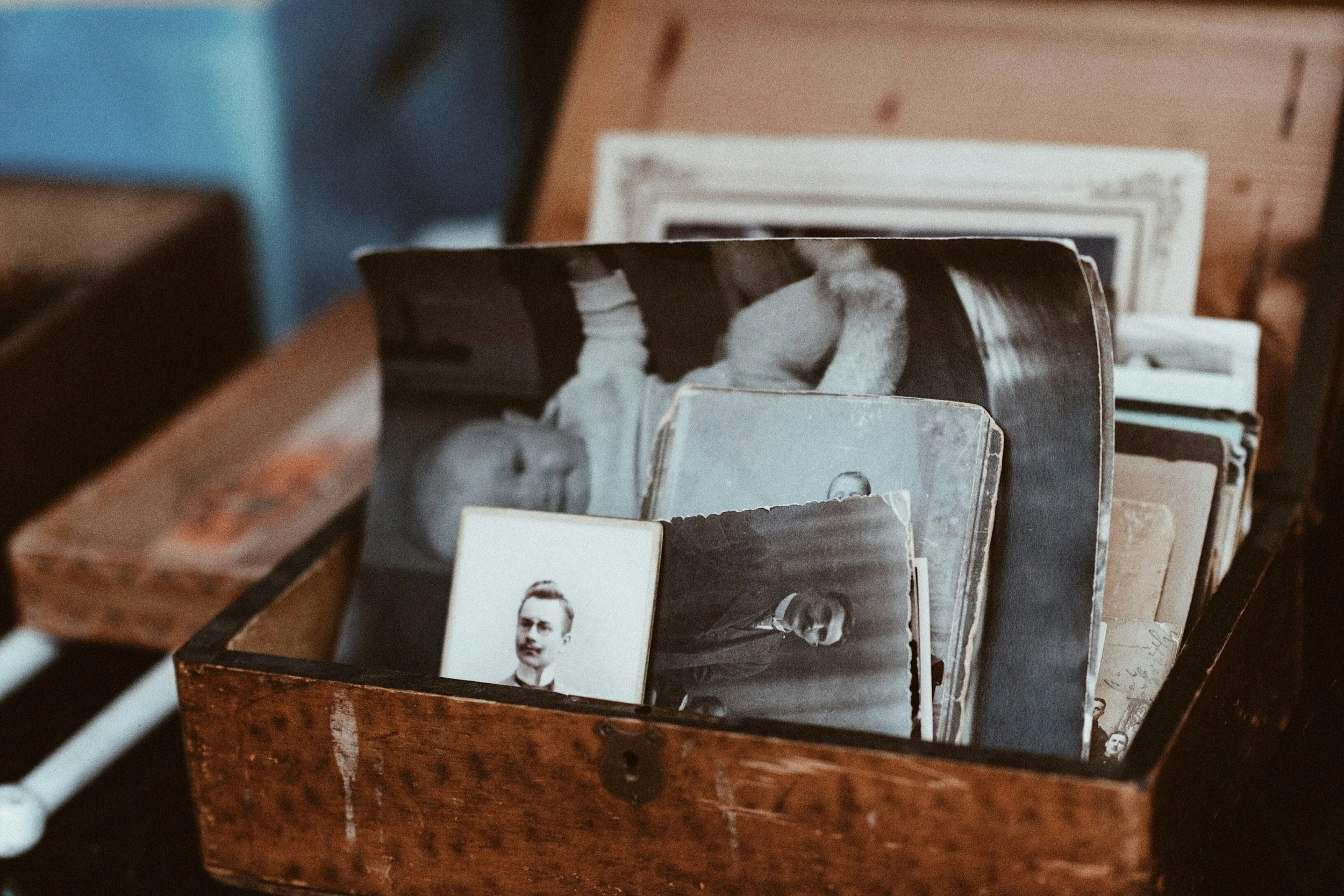
Photo by Roman Kraft on Unsplash
VII. The Storey Method: How We Put This Into Practice
Philosophy without process is just position. The reason Storey & Stone exists as a studio, rather than simply as a point of view, is that the ideas explored in this article have been translated into a way of working, one that is rigorous and genuinely led by the person the home is being made for.
Rather than beginning with drawings, precedent images or material palettes, the Storey Method begins with listening. A deep, unhurried conversation about how a client actually lives, what they've carried forward from the homes they've known before and what they're reaching toward in this one. Far from being a formality, that conversation is where the real work begins. Everything that follows, every spatial decision, every material choice, every moment where the design pushes back against the expected answer, is anchored in what was heard at the beginning.
The process holds space for the things that are hard to articulate. Most people don't arrive with a clear brief but with a feeling. A sense of what's been missing in the spaces they've inhabited, a half-formed instinct about what home should feel like. Part of the designer's role is to help make that legible, to ask the question underneath the question and to translate the answer into something physical and lasting.
I came to this way of working through experience rather than theory. Earlier in my career I worked on projects that looked, by most measures, successful. Magazine features. Brand collaborations. Interiors that photographed beautifully and were received warmly by the industry. And they were good. But they were good in a way that felt incomplete. The work was being measured by the wrong things. By how it read in print, how it aligned with a brand's aesthetic, how it performed in a world of images. That it gave an idealised impression of who lived there, rather than a true reflection of them. It was a sad indictment on the design.
It was an influential architect I worked with in my career who gave me the language for what was missing. Design is built from the inside out, never from the surface inward or the image backward. That principle became the foundation of everything I've built since, and it's the reason the Storey Method begins where it does: with you, with your story, before a single line is drawn.
VIII. What a Home Can Hold
There's a particular feeling that the best homes produce, one that's difficult to name precisely, which is perhaps why it's so rarely what the design industry leads with. It's something quieter and more durable than the satisfaction of a room that photographs well or the pleasure of a finish that impresses a guest. It's the feeling of recognition, of walking through a door and knowing, without having to think about it, that you are exactly where you belong.
That feeling is earned through a process that began with the right questions, held space for the full complexity of a life and translated all of it, with care and rigour and genuine craft, into something physical. It takes time, requires honesty from both sides of the relationship and produces something that no trend cycle can replicate or replace.
I started Storey & Stone because I believe that every home deserves that quality of attention. I truly believe that it's not just in the purview of the ones with large budgets or architectural pedigree. Every home, because every person who lives in one has a story worth telling and a life worth designing around.
The homes that endure, that are passed down and returned to and remembered with a particular ache, were never designed for anyone else's approval. They were made for the people inside them, shaped by their histories, their cultures, their contradictions and their hopes. They are, in the truest sense, irreplaceable.
So the question worth considering, the one this article has been building toward, is a simple one. Does your home tell your story? Not the story you thought you should want, not the story that was having a moment when you last made a decision, but yours. The specific, layered, unedited version of you.
If it doesn't, that's not a failure. It's an invitation.