

Who Does What on a Building Project
A Guide to Construction Professionals & Project Roles
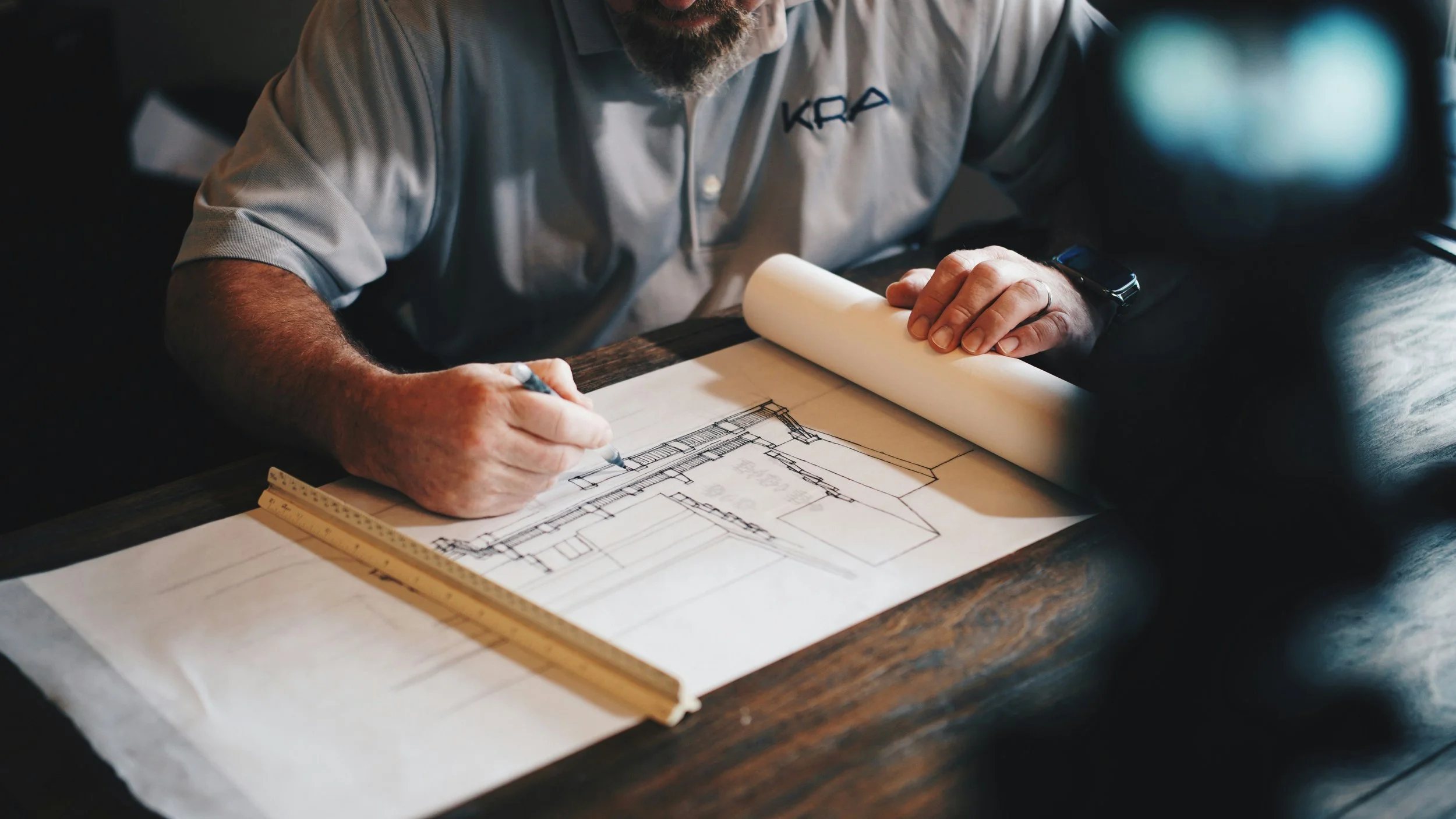
Photo by Daniel McCullough on Unsplash
A renovation or new build can feel like an enormous undertaking before you've even broken ground. Construction costs alone are enough to keep you up at night, and on top of that there's a whole ecosystem of consultants, specialists and tradespeople to navigate. Knowing who does what, and when you need them, isn't as intuitive as you'd hope.
A close friend asked me this very question recently, and her confusion surprised me at first. Her dad's a builder, so I assumed she'd have a pretty good handle on it. But after talking it through I understood why she didn't. He's old school, the kind of builder who gets things done without a large team of consultants around him, and that collaborative model that's become standard on today's projects simply wasn't part of her frame of reference.
It got me thinking, because her experience is more common than you'd expect. The professionals who sit alongside the builder, the designers, the surveyors, the planners, are easy to overlook or undervalue. They're not the ones with their hands in the dirt, so it can be hard to see what you're actually paying for. But these are skilled people with hard-won experience and access to resources that a project simply runs better with. And on a construction job, running better almost always means running cheaper. The less time something takes to resolve, the less it costs.
So I put together this guide as a starting point. It won't cover everything, but it should give you a clearer picture of who these people are, what they actually do and whether you're likely to need them on your project.
Town planner
A town planner helps you navigate the rules and regulations that govern what can be built, where and how. If your project requires a planning permit because you're building in a sensitive zone, subdividing land or proposing something outside standard council requirements, a town planner will prepare and lodge the application on your behalf, liaise with the local authority and advocate for your project's approval. They can also advise early on whether your vision is likely to be permitted before you spend money on detailed designs.
When to engage: As early as possible, ideally before a designer is appointed. Their advice at the outset can fundamentally shape what you pursue.
Who they work with: Architects, building designers, heritage consultants and council planning departments.
Where they sit in the process: Pre-design through to planning permit approval. Their involvement typically wraps up before construction begins.
Fees: Usually charged hourly or as a fixed fee per application. Expect $2,000–$8,000 for a straightforward permit and more for complex or contested applications.
Heritage consultant
If your property is heritage-listed or sits within a heritage overlay (see Heritage Victoria for reference), a heritage consultant becomes an important part of your team. They assess what elements of the existing building must be retained or respected, advise on what changes are likely to be approved and prepare the heritage impact statements often required by councils or state authorities. Engaging one early can save you from designing something that won't get approved, and they can often find creative ways to achieve your goals while satisfying heritage requirements.
When to engage: Before design begins. Their findings will directly inform what your architect or building designer can propose.
Who they work with: Architects, town planners and council heritage advisors.
Where they sit in the process: Pre-design through to planning permit approval. On significant heritage projects they may also review construction details.
Fees: Typically hourly or fixed per report. Budget $2,500–$10,000 depending on the complexity of the heritage assessment required.
Quantity Surveyor
A quantity surveyor is the financial specialist of the construction world. They prepare detailed cost estimates, measure and price the materials and labour required for a project and produce documentation used for contractor tendering. On larger projects they'll also manage progress payment claims, track variations and prepare depreciation schedules for tax purposes. If you want to know whether your project is financially viable before you commit, or you want to keep a builder honest about what things should cost, a quantity surveyor is your ally.
When to engage: At concept stage to test feasibility, then again at tender stage to review pricing. On larger projects they may stay involved through construction.
Who they work with: Architects, building designers, project managers and builders.
Where they sit in the process: Concept through to construction completion, with their most intensive involvement at the design and tender stages.
Fees: Hourly or as a percentage of construction cost, typically 1–2.5%. A standalone cost estimate for a residential project might start from $1,500.
Project manager
A project manager oversees the entire construction process on your behalf, coordinating consultants, contractors and suppliers to keep the project on time and on budget. While an architect or building designer may offer some construction oversight, a dedicated project manager takes full responsibility for the programme, procurement and day-to-day problem-solving. They're particularly valuable on complex or large-scale projects, or where you don't have the time or experience to manage the process yourself. Think of them as the conductor keeping all the moving parts in rhythm. Often this role is part of the architect’s or builder’s scope - as in a person assigned to act as a project manager - however a third party PM is generally ideal as they will be a unbiased, third party operator
When to engage: Ideally at the start of the design phase so they can help structure the consultant team and procurement strategy from the outset.
Who they work with: Every consultant and contractor on the project. They sit above the day-to-day and coordinate across all disciplines.
Where they sit in the process: Design through to practical completion and defects resolution.
Fees: Either a fixed fee, a percentage of construction cost (typically 3–7%) or a monthly retainer depending on the project scope and duration.
Draftsman
A draftsman produces technical drawings and documentation including floor plans, elevations and construction details, typically to a design that's already been determined by someone else. They're skilled in the technical language of building documentation rather than in design itself. For straightforward projects such as a simple addition or minor alteration where no complex design problem needs to be solved, a draftsman can be a cost-effective way to get the drawings needed for a building permit.
When to engage: Once the design has been resolved and you need it documented for permit or construction purposes.
Who they work with: Builders, building surveyors and sometimes engineers on simple projects.
Where they sit in the process: Design documentation and permit application only. They're not typically involved in construction administration.
Fees: Generally hourly or fixed per project. Expect $1,500–$6,000 for a straightforward residential job depending on scope.
Building designer
A building designer is a qualified design professional who can take a project from concept through to construction documentation, including managing the building permit process. Like architects, they design homes, extensions and renovations, but they're licensed under a different regulatory framework and are typically engaged on residential projects. A good building designer brings real design skill alongside a practical understanding of construction and cost. For many residential projects they offer an excellent balance of design quality and value.
When to engage: At the very start of your project, before any decisions about layout or form are made.
Who they work with: Building surveyors, engineers, builders and interior designers.
Where they sit in the process: Concept design through to construction documentation and permit approval. Some will also offer construction review services.
Fees: Typically a percentage of construction cost ranging from 4–10%, or fixed fees for defined scopes. A full service for a new home might range from $15,000–$50,000.
Architect
An architect is a registered professional who's completed extensive university training and practical experience and is legally required to use the title. They're equipped to handle projects of any scale and complexity and take responsibility for the design, documentation and often the administration of a construction contract. Beyond producing drawings, a good architect shapes how a building looks, feels and performs over its lifetime. On complex or design-sensitive projects, or those with challenging sites, their expertise and accountability can be well worth the investment.
When to engage: At the very beginning, before any design decisions are made. Early engagement gives you the most value from their skills.
Who they work with: Town planners, heritage consultants, engineers, building surveyors, interior designers, landscape architects, quantity surveyors and builders.
Where they sit in the process: Concept through to construction completion. A full-service architect will guide you from the first sketch to the final inspection.
Fees: Typically 8–15% of construction cost for a full service, though this varies with project complexity. Partial services such as design only or documentation only are also available at lower fees.
Landscape architect
A landscape architect designs the outdoor environment around a building, working across gardens, driveways, retaining walls, drainage and planting. They bring both design vision and technical knowledge, understanding how landform, water and materials work together over time. On larger projects they'll also manage council approvals for significant earthworks or tree removal. While sometimes confused with a landscaper who builds what's been designed, a landscape architect is the design professional who determines what your outdoor spaces will look and function like.
When to engage: During the design phase of the main building so that indoor and outdoor spaces are considered together. Don't leave them until after the build is finished.
Who they work with: Architects, building designers, civil engineers and landscapers.
Where they sit in the process: Design and documentation through to construction, where they may review the landscaper's work against their design intent.
Fees: Hourly or as a percentage of landscape construction cost, typically 8–15%. Concept design for a residential garden might start from $3,000–$8,000.

Interior designer
An interior designer focuses on the look, feel and functionality of internal spaces, selecting finishes, furniture and lighting to create a cohesive scheme. They work closely with the architect or building designer and can add enormous value in helping you make the hundreds of material and product decisions a project requires, avoiding costly mistakes and ensuring everything works together. Interior designers typically can't prepare structural or permit drawings, but they're skilled at space planning and creating interiors that are both beautiful and liveable.
When to engage: During the design phase, in parallel with your architect or building designer. Many decisions about finishes and fittings need to be locked in before construction begins.
Who they work with: Architects, building designers, builders and specialist suppliers and trades.
Where they sit in the process: Design development through to construction and fit-out. Their involvement often continues after practical completion with furniture and styling.
Fees: Hourly rates ($120–$250/hr is typical) or a flat fee for defined scopes. Some designers offer affordable rates but charge a percentage margin on products they procure on your behalf.
Interior architect
An interior architect has qualifications that bridge interior design and architecture, giving them the ability to work on the structural and spatial reconfiguration of interiors rather than just finishes and furnishings. They're particularly suited to fit-outs and renovations where walls are being moved or the fundamental organisation of a space is changing. They can prepare permit documentation for internal works and coordinate with engineers and builders, making them the right choice when your interior project has real architectural complexity.
When to engage: At the start of the design process, particularly where internal walls, structure or services are being significantly altered.
Who they work with: Architects, structural engineers, building surveyors, builders and interior designers.
Where they sit in the process: Concept through to construction completion, similar to an architect but focused on the interior scope.
Fees: Similar to architects, typically 8–14% of the interior construction cost or hourly for smaller scopes.
Builder
The builder or principal contractor is the person or company responsible for physically constructing the project. They coordinate and manage all the trades on site, procure materials and deliver the finished building. On registered domestic projects they also carry mandatory insurance to protect you as the owner. A good builder is as much a project manager as a tradesperson, and choosing the right one is one of the most consequential decisions you'll make. Wherever possible, engage your builder through a competitive tender process based on detailed documentation and always check their licence, references and past work.
When to engage: After your design and documentation are complete and you're ready to go to tender. On some projects a builder is brought in earlier under an early contractor involvement arrangement to provide cost and construction advice during design.
Who they work with: All trades and suppliers on site, and with your architect, building designer or project manager who administers the contract.
Where they sit in the process: Construction start through to practical completion and the resolution of any defects. They're the central figure once work on site begins.
Fees: Quoted as a lump sum or managed through a cost-plus arrangement. Residential construction typically costs $2,500–$5,000+ per square metre depending on specification and location.

Decorator/stylist
A decorator or stylist works at the finishing end of a project, curating the soft furnishings, art and accessories that give a completed space its personality and warmth. Unlike an interior designer, they're typically not involved in the construction phase and work with what already exists rather than specifying fixed finishes or fittings. They're particularly valuable for staging a home for sale or for anyone who wants a polished result but isn't sure how to pull the final layers of a room together.
When to engage: After construction and fit-out are complete, or when preparing a finished home for sale or photography.
Who they work with: Interior designers, photographers and real estate agents. On some projects they'll work directly with the owner without other design professionals involved.
Where they sit in the process: Post-construction. They're the final layer applied to a completed project.
Fees: Hourly ($100–$200/hr) or a flat styling fee. Full home styling for a sale campaign might range from $2,000–$6,000 depending on the size of the property.
Landscaper
A landscaper is the trades professional who constructs and installs the outdoor environment, laying paving, building retaining walls and establishing planting. They work from a design prepared by a landscape architect or sometimes develop their own simple designs for smaller jobs. Choosing a good landscaper matters as much as choosing a good builder, and for larger or more complex scopes it's worth having a landscape architect provide oversight of their work.
When to engage: Toward the end of the main construction phase, once the building is weathertight and external levels are established. Get quotes earlier so they're ready to mobilise at the right time.
Who they work with: Builders, landscape architects and irrigation or lighting specialists.
Where they sit in the process: Late construction through to project completion. Landscaping is typically one of the final trades on site.
Fees: Quoted per project based on scope. A modest residential landscape might start from $20,000 while complex gardens with significant hard landscaping can run well into six figures.
Building surveyor
A building surveyor is the independent professional responsible for ensuring your project complies with the Building Code of Australia and relevant standards. They issue the building permit before work begins, carry out mandatory inspections at key stages of construction and issue the occupancy certificate at completion. They're not there to represent you or the builder as their role is to protect public safety and legal compliance. Engaging a private building surveyor early rather than using council can often speed up permit timeframes and allow for a more collaborative relationship through the project.
When to engage: Once your design is sufficiently developed to lodge for a building permit, though a preliminary conversation earlier can help flag any compliance issues before they become problems.
Who they work with: Architects, building designers, engineers and builders.
Where they sit in the process: Pre-construction through to the final occupancy certificate. They're one of the last professionals to sign off on your project.
Fees: Scaled to project value, typically $2,000–$8,000 for a residential project. Their fee covers the permit, inspections and certificate.
Summary
Hopefully this gives you a clearer sense of the landscape before you dive in. The list can look daunting at first, but the reality is that most projects won't require all of these people. The right team depends entirely on the scale, complexity and location of what you're building.
What's worth holding onto is that the professionals sitting behind the scenes aren't an optional extra. They're the ones who catch problems before they become expensive, who know how to move through approval processes without losing months and who bring a level of coordination that keeps a project from unravelling. Skimping on the right expertise at the wrong moment is one of the most common and costly mistakes an owner can make.
If you take one thing from this, let it be that the conversation with these people should happen earlier than feels necessary. The earlier good advice enters a project, the more of it you actually get to act on. By the time you're on site, most of the decisions that determine how well your project turns out have already been made.
Building and renovating is hard. But it's a lot less hard with the right people around you.