

Multi-Generational Homes Australia
Part 1: Our Housing Market
A quiet shift is underway in Australian housing.
For decades, the aspiration was clear. A detached home. A backyard. A nuclear family. Independence as the ultimate marker of success. But rising property prices, rental instability and shifting cultural dynamics are reshaping that narrative. Increasingly, Australian families are choosing or needing to live together across generations.
Despite what popular culture might say, this appears to be an evolution rather than a regression. When intentionally designed, multi-generational homes are dignified and financially strategic. They reflect care, resilience and a more nuanced understanding of what ‘home’ can be.

What is a Multi-Generational Home?
A multi-generational home is a dwelling intentionally designed to accommodate multiple generations of a family (typically grandparents, parents and children) living under one roof or on one property. Unlike traditional nuclear family homes, these residences incorporate deliberate spatial zoning that balances shared communal areas with private living spaces for each generation. Key features include separate sleeping wings or levels, dual master suites, multiple bathrooms, accessible design elements multiple kitchenettes and often independent access points or self-contained secondary dwellings.
The goal is to create proximity without intrusion, allowing family members to maintain their independence and dignity while benefiting from shared resources, pooled childcare, reduced living costs and the ability to support ageing parents at home. In Australia, multi-generational homes are increasingly common in response to housing affordability challenges, cultural traditions that value extended family living and the practical benefits of shared households. When thoughtfully planned, these homes can protect relationships rather than strain them, providing the foundation for happy extended family living across decades.
Key Takeaways
Multi-generational homes require deliberate zoning to balance proximity with privacy
Melbourne median house prices (Approx. $950k as of January 2026) make pooling resources increasingly practical for extended families
Essential design features include dual master suites, multiple kitchenettes, acoustic insulation, accessible bathrooms and flexible living spaces
Approximately 1.5 million Australians belong to the ‘sandwich generation’, caring for both children and parents
Professional spatial planning prevents common mistakes like insufficient bathrooms, poor acoustic separation and lack of retreat spaces
How to Design a Home for the ‘Sandwich Generation’
The ‘Sandwich generation’ (adults simultaneously supporting ageing parents and growing children) is expanding in Australia. Approximately 1.5 million middle-aged Australians now belong to this group, according to research by Australian Seniors and Baptcare. Caregivers spend an average of 14.5 hours per week on unpaid care for ageing parents and another 15.2 hours on children. Many are managing mortgages, careers and caregiving under one roof.
Research shows that 90% of sandwich generation caregivers experience signs of burnout. On average, these carers contribute nearly $1,500 every month ($18,000 per year) to support their ageing parents or in-laws.
Sources:
Without careful planning, that pressure is amplified spatially. Noise carries. Privacy erodes. Everyday routines clash. A home that looks generous on paper can feel emotionally crowded. Good design protects relationships.
Clear zoning between private and shared spaces is not indulgent. It is essential. Bedrooms placed on separate levels. Acoustic insulation between living areas. Retreat spaces where one can decompress without explanation. Independent access where possible.
A well-planned home allows proximity without intrusion. It gives each generation autonomy while maintaining connection. That balance is the foundation of long-term harmony.
Multi-Generational Homes and Housing Affordability in Melbourne
Melbourne's median house price now sits at approximately $950,000, according to recent data from the Real Estate Institute of Victoria, Domain and CoreLogic. In some inner and middle-ring suburbs, prices exceed $1.6 million. Build costs continue to climb. Rental conditions remain unstable.
Sources:
Urban Property Australia - Q2 2025 Melbourne Residential Market Report
Property Update Australia - Median Property Prices January 2025
Pooling resources is increasingly pragmatic and a multi-generational household can mean shared mortgage responsibility, shared childcare, ageing parents supported at home longer and reduced reliance on external care.
Financial resilience and emotional resilience are rarely separate. Designing a home to support multiple generations is not a fallback plan. It can be a deliberate strategy for long-term stability and a hedge against housing market volatility.
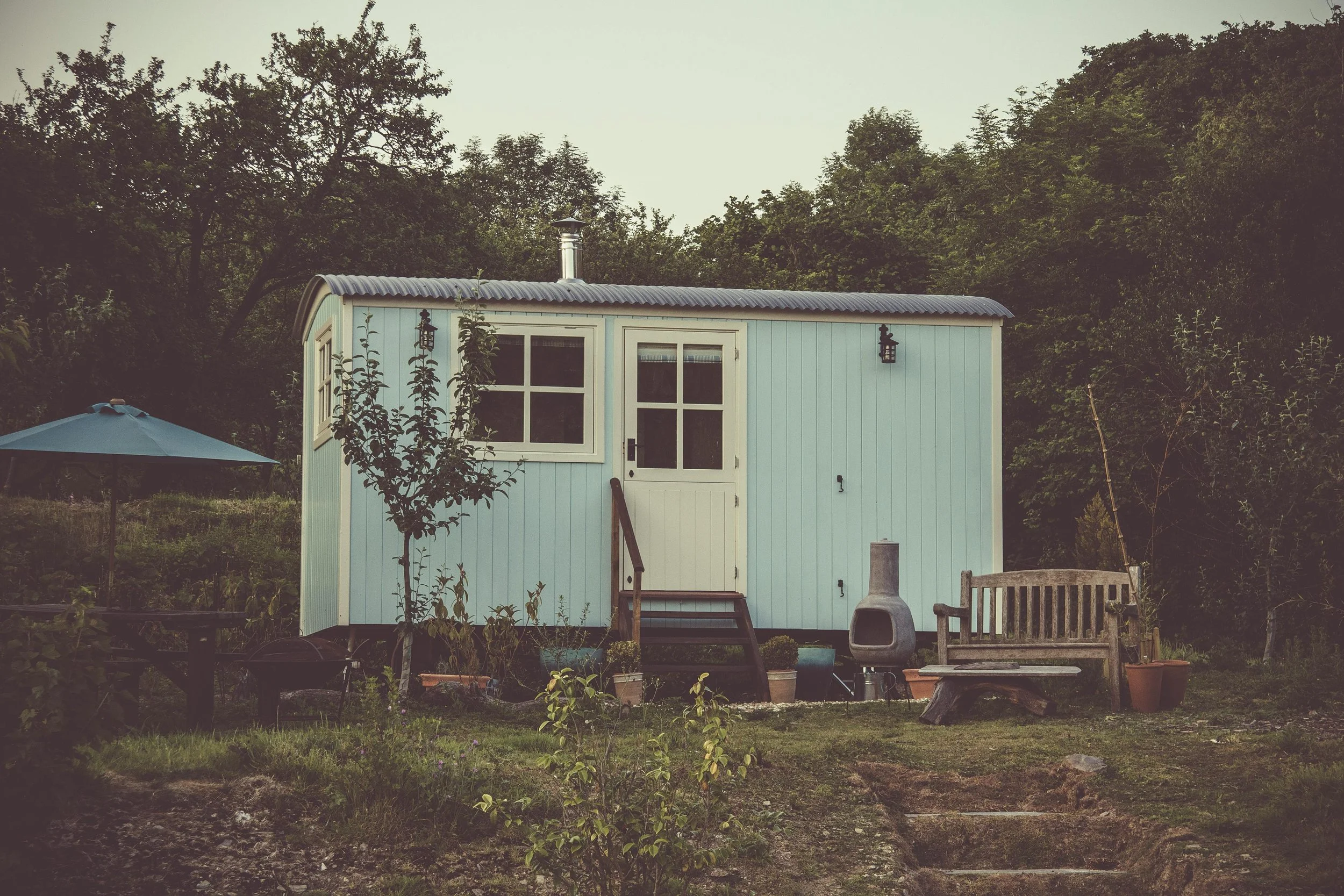
Photo by James Frid: https://www.pexels.com/photo/glass-panel-white-frame-door-723876/
Why Off-the-Shelf Tiny Homes Aren't Suitable for Elderly Parents
The recent popularity of flat-pack tiny homes and backyard pods has generated significant attention as a potential solution to housing affordability challenges. These structures, available from various retailers and manufacturers starting from around $26,000 for basic models, promise quick assembly and appeal to budget-conscious families considering multi-generational living arrangements.
Sources:
While these pods work well as home offices, art studios or guest accommodation for occasional use, they’re not realistic solutions for housing elderly parents as part of a multi-gen living arrangement.
The critical limitation: most off-the-shelf pods do not include plumbing or bathroom facilities in their base price. Utilities including plumbing and electrical connections must be arranged and funded separately by purchasers. While some manufacturers offer larger custom models with integrated bathrooms and kitchenettes, these typically cost significantly more and may not be part of standard retail ranges.
For an elderly parent living in a backyard pod without plumbing, every bathroom visit means leaving the pod and walking to the main house. In Melbourne's cold winter months, with overnight temperatures averaging 6.5 to 8°C and occasionally dropping near freezing, this means navigating outdoor pathways in darkness and cold. For older adults with mobility challenges, incontinence issues or conditions affecting balance and coordination, this arrangement is neither dignified nor safe.
The appeal of the lower entry price point quickly erodes when you factor in the cost of adding essential facilities. Professional plumbing installation, waterproofing, fixtures and council approvals can easily add $15,000 to $30,000 to the base cost. At that point, you are approaching the cost of a purpose-designed granny flat with proper facilities included from the outset.
If budget constraints are driving consideration of basic pods, a better approach is to invest in a properly designed secondary dwelling with integrated bathroom facilities, or to renovate existing space within the main home to create a self-contained suite. These options may have higher upfront costs but provide the safety and functionality that elderly residents require for genuine multi-gen living.
Cultural Intelligence: Learning From Asian-Australian Home Design Traditions
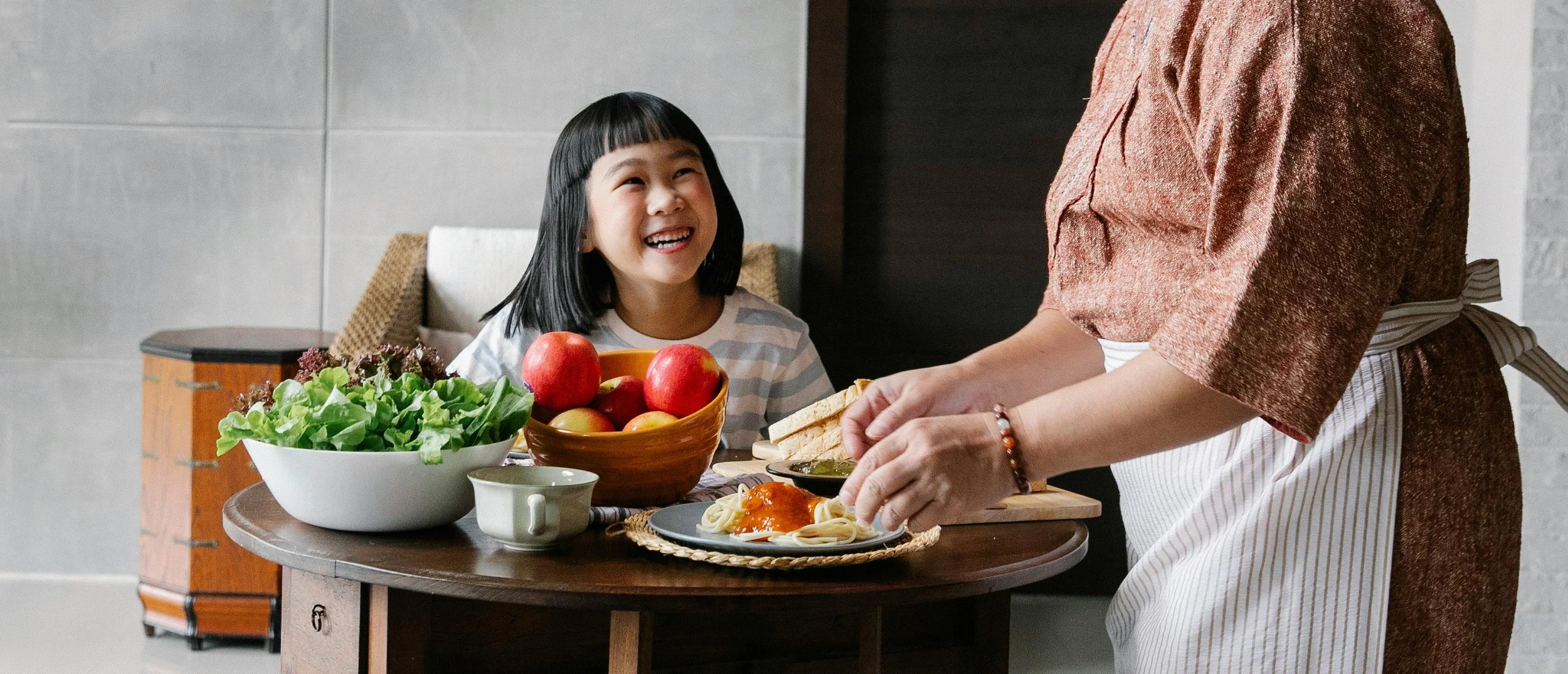
For many Asian cultures, multi-generational living has always been normal. Family is collective. Care is reciprocal. Elders are integrated into daily life rather than separated from it.
I myself have lived in a multi-generational home during my teens and early twenties. My nanna had dementia and keeping her at home with family rather than in institutional care was never questioned. The daily rhythms of family life, familiar faces and cultural continuity provided comfort that no care facility could replicate. I know people my age who are building or renovating to allow their parents to stay with them in independent settings. This shift isn’t an anomaly. It reflects changing Australian demographics and evolving attitudes toward family care.
As Australia's Asian-Australian population grows (representing 17.4% of the population by ancestry according to the 2021 census), so too does the expectation that homes accommodate extended family structures. Additionally, 31.5% of Australia's population was born overseas as of June 2024, with significant representation from Asian countries including India, China and the Philippines.
Sources:
There’s much to learn from these traditions, particularly in how space is allocated. Elders are not placed in residual rooms or treated as afterthoughts. Kitchens are designed for communal cooking and shared meal preparation. Storage considers different rituals and food preparation practices that span generations. The home becomes a place of intergenerational continuity where traditions are practiced daily, not just during special occasions.
For families caring for elderly parents with dementia, Alzheimer's or other cognitive conditions, thoughtful home design becomes even more critical. Clear circulation paths reduce confusion and wandering risk. Visual connections between spaces allow supervision without intrusion. Familiar environments and routine provide stability that institutional settings cannot replicate. Good design supports both the carer and the cared-for, reducing stress while maintaining harmony.
Australian housing is beginning to reflect this cultural intelligence. Intentional design allows these values to flourish without compromising privacy or modern expectations. Architects and designers who understand these cultural nuances create homes that honour extended family traditions while incorporating contemporary Australian lifestyle requirements and the practical realities of caring for ageing parents with complex health needs.
Bringing the Village Home
This article has been a passion project for me because I believe multi-generational living offers our best path forward in navigating Melbourne's challenging housing market while honouring the independence that the boomer generation values. With thoughtful design and proper planning, we can create homes that genuinely cater for everyone across generations.
Historically, we relied on our village for support, connection and care. We still use the saying ‘it takes a village to raise a child,’ yet we've largely separated our villages from our homes. This never made practical sense. Our village -our most valuable asset - belongs integrated with our homes - our most expensive asset. Multi-generational design simply brings these two together in a way that respects privacy, maintains dignity and creates genuine long-term value for families willing to think beyond the nuclear household model.
The families thriving in multi-generational homes are not those who stumbled into it out of necessity. They are those who planned deliberately, designed thoughtfully and recognised that proximity with autonomy creates strength rather than friction.
Ready to design your multi-generational home? Book a 30-minute consultation to discuss your project.
Photo by Caroline Badran on Unsplash