

Designing a Holiday Rental Guests Remember (and Rebook)
Photo by DARKROOMLABS on Unsplash
In a crowded short-stay market, a holiday rental needs to do more than look good in photos. Guests are no longer choosing accommodation purely on price or location. They're choosing places that feel immersive and memorable. The kind of spaces they want to return to and recommend. Thoughtful interior design plays a quiet but powerful role in this. Not through trend-driven styling or novelty features, but through spaces that feel intuitive, well-resolved, and genuinely enjoyable to stay in.
At Storey & Stone, we design holiday rentals with longevity, durability, and guest experience front of mind. The goal is not to create a showpiece, but a place that performs well over time, wears beautifully and supports strong occupancy and repeat bookings.
Why Holiday Rental Design Requires a Different Approach
Designing for short-stay accommodation is fundamentally different from designing a private home. A holiday rental must appeal to a broad audience while still having character. It needs to feel welcoming immediately, work intuitively without explanation and withstand constant use by people who are unfamiliar with the space. Well-designed short-stay interiors account for:
Higher wear and tear
Frequent cleaning and turnover
Guests with different habits and expectations
The emotional context of travel and rest.
This is where professional interior design adds value well beyond aesthetics.
What Makes a Holiday Rental Truly Memorable
1. Comfort Is the First Luxury Guests Notice
Guests may book for the view or the location, but what they remember is how the space made them feel. Comfort shows up in well-considered furniture, quality mattresses and bedding, warm lighting rather than harsh overhead lights and seating that supports how people actually relax. These details don't shout for attention, but they're often the difference between a pleasant stay and a glowing review.
2. Durability Without Looking Commercial
Holiday rentals need robust materials, but that doesn't mean they should feel generic or hotel-like. The key is selecting finishes that age gracefully, can be repaired rather than replaced, handle moisture, sand, heat and heavy use, while still feeling warm and residential. Natural materials, honest finishes and restrained palettes tend to perform better long-term than highly trend-led choices.
3. Layout Matters More Than Styling
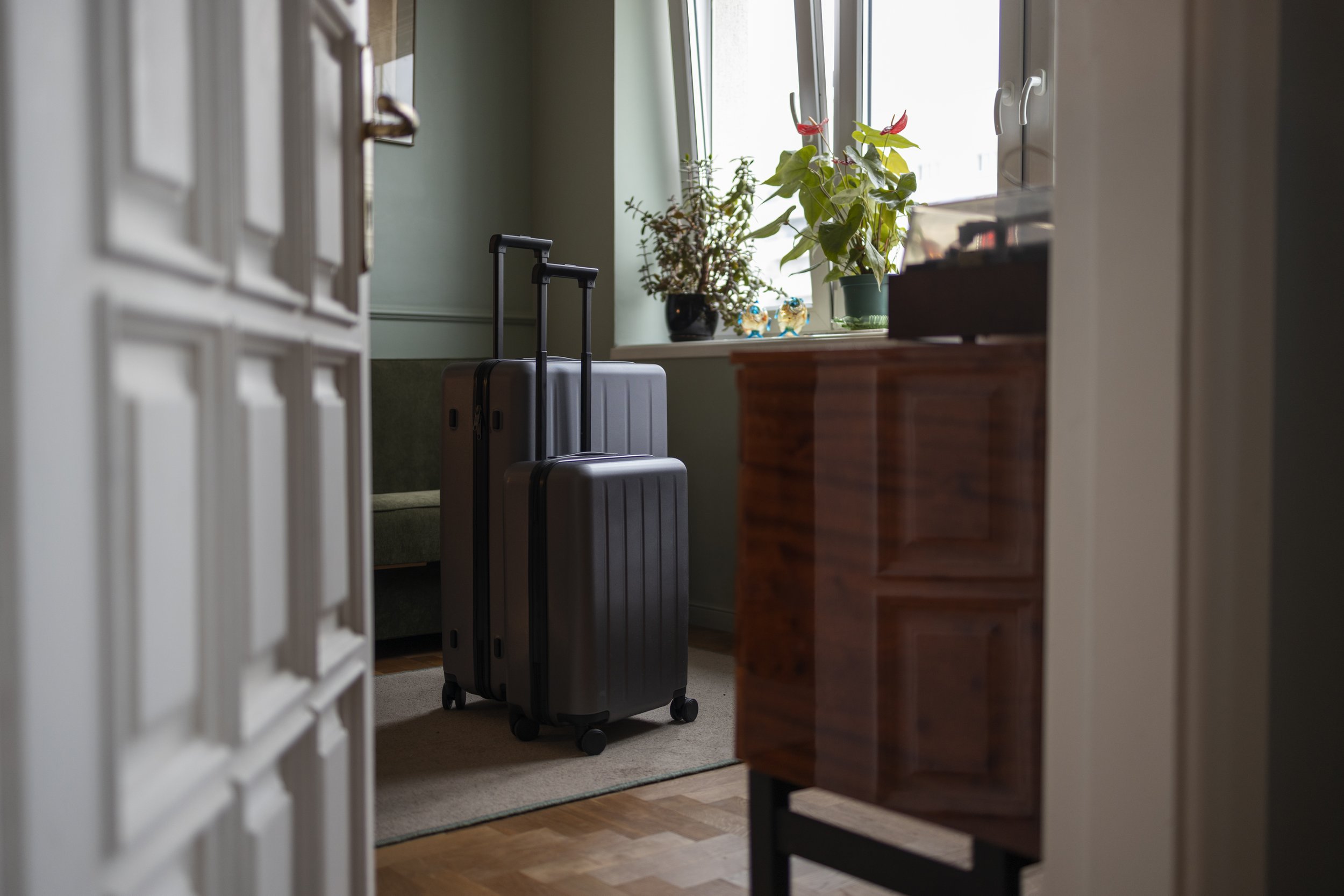
A beautifully styled space will still disappoint guests if the layout is awkward. Good holiday rental design prioritises clear circulation, intuitive storage, places to put bags, keys and luggage, functional kitchens and bathrooms, lighting switch locations that make sense and flexible sleeping arrangements where appropriate. Guests should never feel like they're "working out" how the space functions.
4. Character Over Theme
The most successful holiday rentals avoid heavy theming. Instead, they create a sense of place through materiality and intuitiveness. Rather than telling guests what to feel, the space allows them to settle in and make it their own for a few days. This kind of character ages better and appeals to a wider audience.

Photo by Alex Tyson on Unsplash
5. Immersive Experiences That Engage All the Senses
The most memorable holiday rentals go beyond visual appeal to create a fully sensory experience. When guests walk through the door, they should feel immediately immersed in an atmosphere of calm and consideration.
Signature Scents
Scent is one of the most powerful memory triggers. A carefully chosen signature fragrance, whether it's native coastal botanicals, subtle citrus and herbs, or warm sandalwood, creates an immediate sense of place and welcome. Avoid overpowering synthetic fragrances. Instead, consider natural reed diffusers, quality candles, or even fresh eucalyptus in the bathroom. The scent should be present but never intrusive, creating an immersive note that guests associate with relaxation and quality.
Layered Lighting Design
Lighting transforms how a space feels throughout the day. Move beyond single overhead fixtures to create layers: ambient lighting for overall warmth, task lighting for reading and cooking & accent lighting to highlight architectural features or artwork. Dimmable lights give guests control over the mood. Natural light should be maximised during the day with well-considered window treatments that offer both privacy and light filtering. Warm-toned bulbs (2700-3000K) create a more inviting atmosphere than cool white alternatives.
Natural Material Textures
Touch matters more than most people realise. The cool smoothness of linen bedding, the warmth of timber flooring underfoot, the organic texture of a jute rug, or the tactile appeal of stone benchtops; these materials invite interaction and create richness. Layering different natural textures adds depth and prevents spaces from feeling flat or sterile. Woven baskets, chunky knit throws, natural fibres, handmade furniture, locally sourced pottery etc all contribute to a more tactile experience that feels memorable and unique to their stay.
Acoustic Comfort
Sound quality is often overlooked but profoundly affects how restful a space feels. Soft furnishings like rugs, curtains, upholstered furniture and cushions absorb sound and prevent echo in open-plan spaces. Consider the placement of bedrooms away from noise sources, quality door seals, and even the gentle sound of water features or the rustle of outdoor plantings visible from windows. Silence doesn't have to mean sterile; the best holiday rentals have a gentle, natural soundscape that supports relaxation rather than distraction.
These sensory layers work quietly in the background, but they're what guests remember long after checkout—and what brings them back.
Why Instagram-Worthy Isn't Enough
Many short-stay interiors are designed primarily for online appeal. While strong imagery is important, spaces that prioritise looks over comfort tend to generate mixed reviews over time.
Design decisions need to work beyond the camera: seating must be comfortable for long evenings, lighting must suit different times of day, and finishes must cope with real use, not just photos.
Guests are increasingly sensitive to this difference, and their reviews reflect it.
Designing for Repeat Bookings and Long-Term Value
A well-designed holiday rental supports higher nightly rates, stronger guest reviews, repeat bookings, and lower maintenance costs over time.
This is where interior design becomes a strategic investment rather than a styling exercise.
For investors and holiday homeowners, this approach often leads to better returns and less frustration long-term.
Our Approach
We work with holiday rental owners who want their property to feel thoughtful and memorable rather than over-styled.
Our approach focuses on:
Timeless design rather than fast trends
Durable and sustainable material choices
Layouts that support real (and sometimes chaotic) use
Creating spaces guests remember for the right reasons.
Whether you're designing a new short-stay property or refining an existing one, we tailor our involvement to suit your needs.