

Respecting Heritage: How to Modernize a Victorian Home Without Losing Its Soul
Melbourne's historic homes tell stories of gold rush prosperity, Federation-era optimism and the emergence of a distinctly Australian architectural identity. But as families grow and lifestyles evolve, these heritage properties face a crucial question: how do you bring a Victorian or Federation home into the 21st century without erasing what makes it special?
The answer lies in understanding what you have before deciding what to change. This guide will walk you through Melbourne's architectural heritage and provide practical strategies for modernizing your period home while preserving its character.
Understanding Your Home's Heritage
Before you start planning renovations, it's essential to identify your home's architectural period and the features that define it. Each era has distinct characteristics worth preserving.
How to Identify Your Home's Era
Determining your home's architectural period is the crucial first step in planning a sympathetic renovation. While broad stylistic clues can help narrow down the era, confirming the exact construction date provides valuable context for restoration decisions.
Visual assessment: Start by examining the features described in the sections below. Look at the roofline, windows, decorative elements and construction materials. Take detailed photographs of distinctive features including brickwork patterns, lacework, ceiling details and joinery.
Council building records: Your local council's building department often holds historical building permits and plans. Contact them to request records for your property address. These may include original building applications, architectural drawings and alteration permits that document your home's construction date and any subsequent modifications.
Title search and rate records: A title search through Land Victoria can reveal when land was first subdivided and built upon. Historical rate books, available through some council archives or the State Library of Victoria, sometimes list building improvements and their dates.
Heritage overlays and listings: Check your council's planning scheme to see if your property is subject to a heritage overlay or is individually significant. Heritage citations often include detailed architectural analysis, construction dates and historical context. This information is typically available through council planning departments or online planning portals.
Engage a heritage specialist: If you're struggling to date your home or want professional guidance, consider hiring a heritage architect or consultant. They can:
Provide detailed architectural analysis and dating based on construction techniques and materials
Identify original features versus later additions
Advise on significance and which elements merit preservation
Guide you through heritage approval processes if required
Recommend appropriate materials and techniques for restoration
Historical photographs and maps: The State Library of Victoria holds extensive photograph collections showing Melbourne streets across different eras. Comparing historical street views with your home can help confirm its age. Sands & McDougall directories, available digitally, list residents by address and can help date construction to specific decades. Heritage Victoria have a detailed directory with further detail on the below architectural styles and more.
Physical clues in the home: Look for builders' marks, date stamps on bricks, newspaper fragments under floorboards or in wall cavities, manufacturer stamps on hardware or pressed metal ceilings and evidence of original paint colors. These can all provide dating clues when examined by someone familiar with period construction.
Remember that many homes have been altered over time. Identifying original fabric versus later additions is crucial for making informed decisions about what to preserve, restore or respectfully modify.
Below are a few prominent architectural styles that are easily identified. For further styles & detail, visit Heritage Victoria.
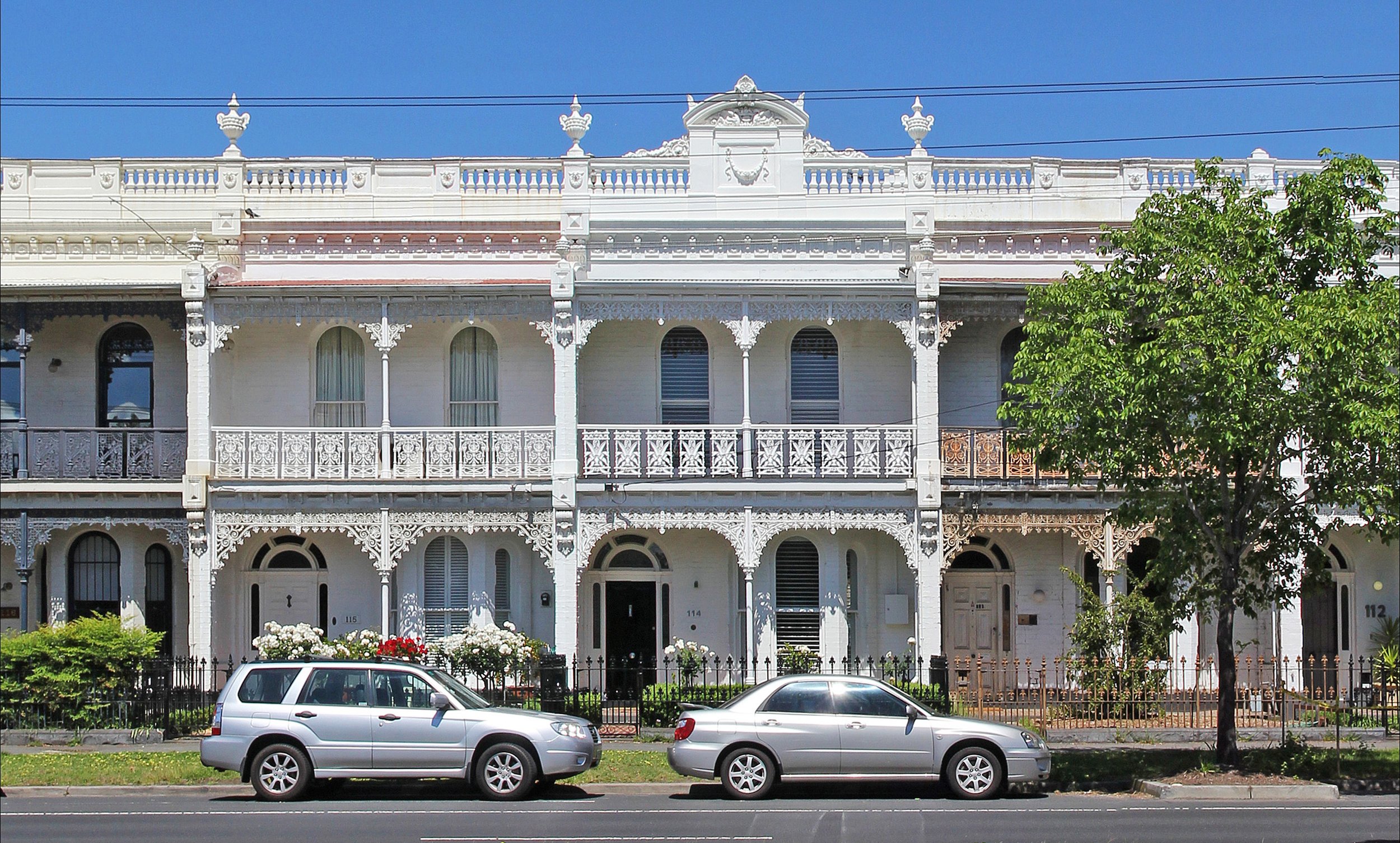
Victorian Era (1837-1901): Ornament as Status
Melbourne's Victorian homes emerged during the gold rush, when wealth transformed the city into 'Marvellous Melbourne.' These homes were designed to impress, with grandeur visible from the street and opulence throughout the interior.
Key features to preserve:
Ornate brickwork patterns and decorative chimneys
Cast iron lacework on verandahs and balconies
Tessellated tile verandahs in geometric patterns
Soaring ceilings (typically 11-12 feet) with ornate plasterwork or pressed metal
Ceiling roses and elaborate cornices
Leadlight and stained glass windows, often featuring period motifs
Tall timber skirting boards and architraves with decorative blocks
Period fireplaces with cast iron inserts and timber or marble mantels
Solid timber doors with original hardware
Historical note: Pressed metal ceilings, which appeared in the late Victorian era, were revolutionary. Manufacturers like Wunderlich democratized decorative ceilings, making European-style luxury accessible to middle-class homeowners. Many original patterns are still available today from suppliers like Melbourne Pressed Metal Designs and Schots Home Emporium.

Waratah motifs in Wunderlich pressed metal panels 1911 by Wunderlich Manufacturers courtesy of State Library of NSW Collection
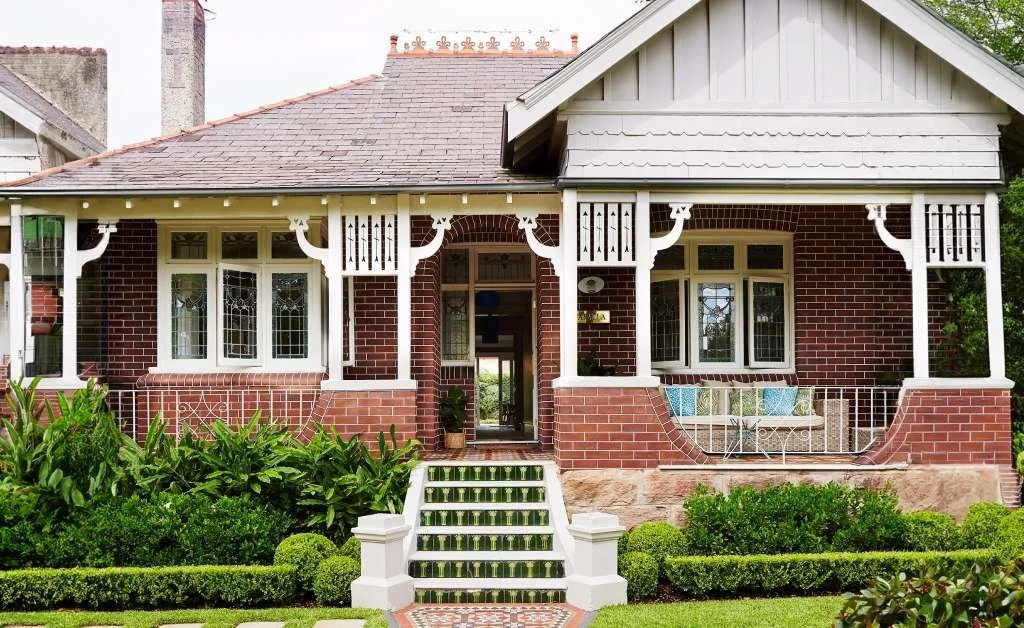
Photo courtesy of Toak Projects
Federation Era (1901-1915): Australian Identity Emerges
As Australia federated and began developing its own architectural language, homes became less ornate than their Victorian predecessors but introduced distinctly Australian features designed for our climate.
Key features to preserve:
Wide, wrap-around or return verandahs with decorative timber fretwork
Wall paneling at one-third or two-thirds height with picture or dado rails
Australian motifs in leadlight, pressed metal and decorative elements (native flora, fauna)
Simpler ceiling roses and cornices compared to Victorian era
Distinctive Federation-style architraves and skirting boards
Red brick or rendered exteriors with contrasting trim
Note: After World War I, a shortage of skilled tradespeople led to simplified 'Bungalow' homes with less ornamentation. If your home dates from 1915-1920, it may have plainer leadlight and reduced decorative detail while retaining the basic Federation form.
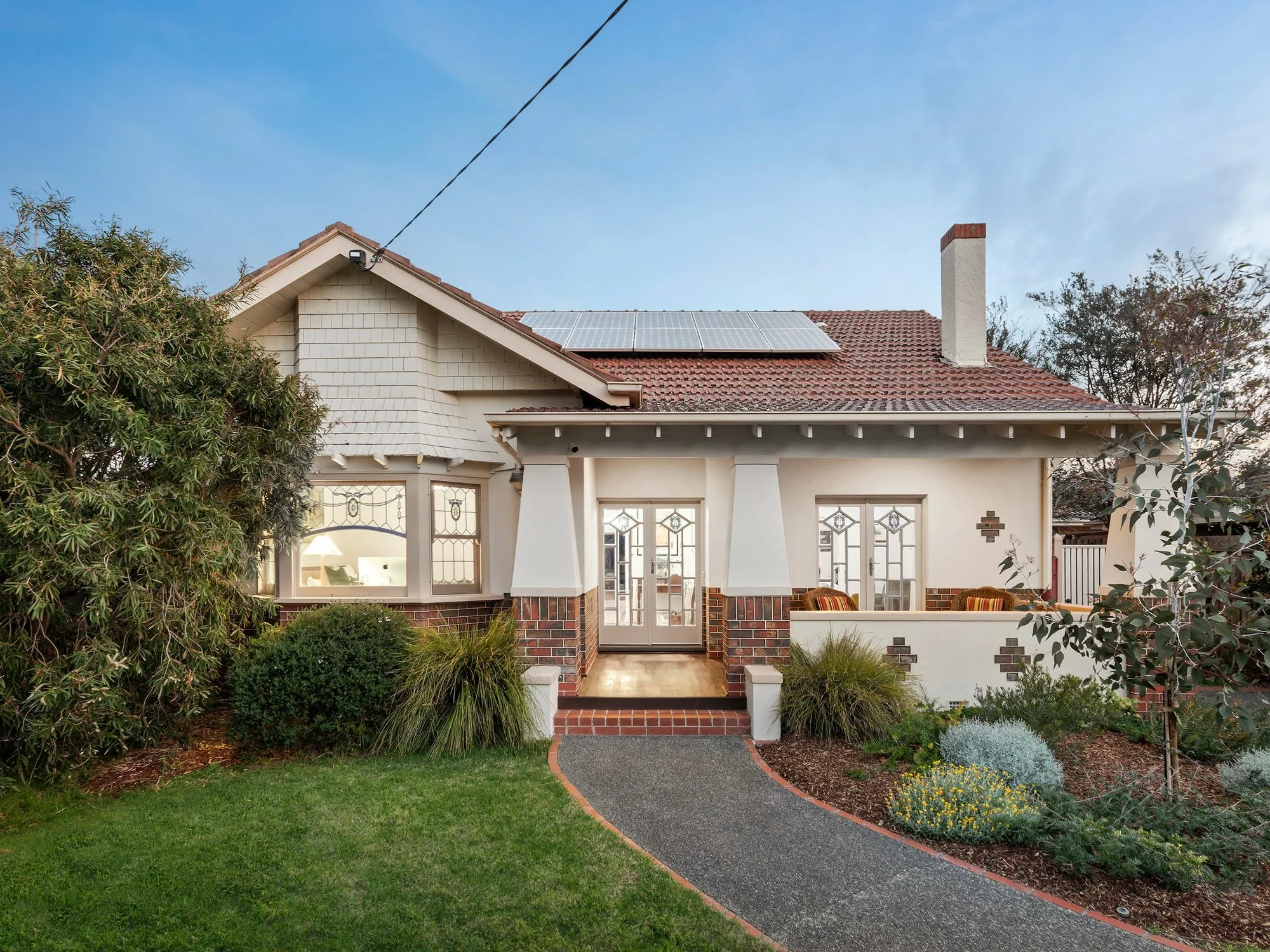
Photo courtesy of realestate.com.au
Californian Bungalow (1915-1940): Arts and Crafts Meets Australian Living
Influenced by American architecture and the Arts and Crafts movement, these homes emphasize natural materials, craftsmanship and a more casual lifestyle. Melbourne's climate similarities to Southern California, combined with Hollywood's cultural influence, made this style enormously popular.
Key features to preserve:
Low-pitched roofs with wide eaves and exposed rafter tails
Prominent front porches with tapered columns or piers
Natural materials: face brick, clinker brick, timber weatherboards, stone
Multi-paned windows and picture windows
Built-in furniture: window seats, bookcases, buffets
Box-beam ceilings and plate rails
Craftsman-style joinery and visible wood grain
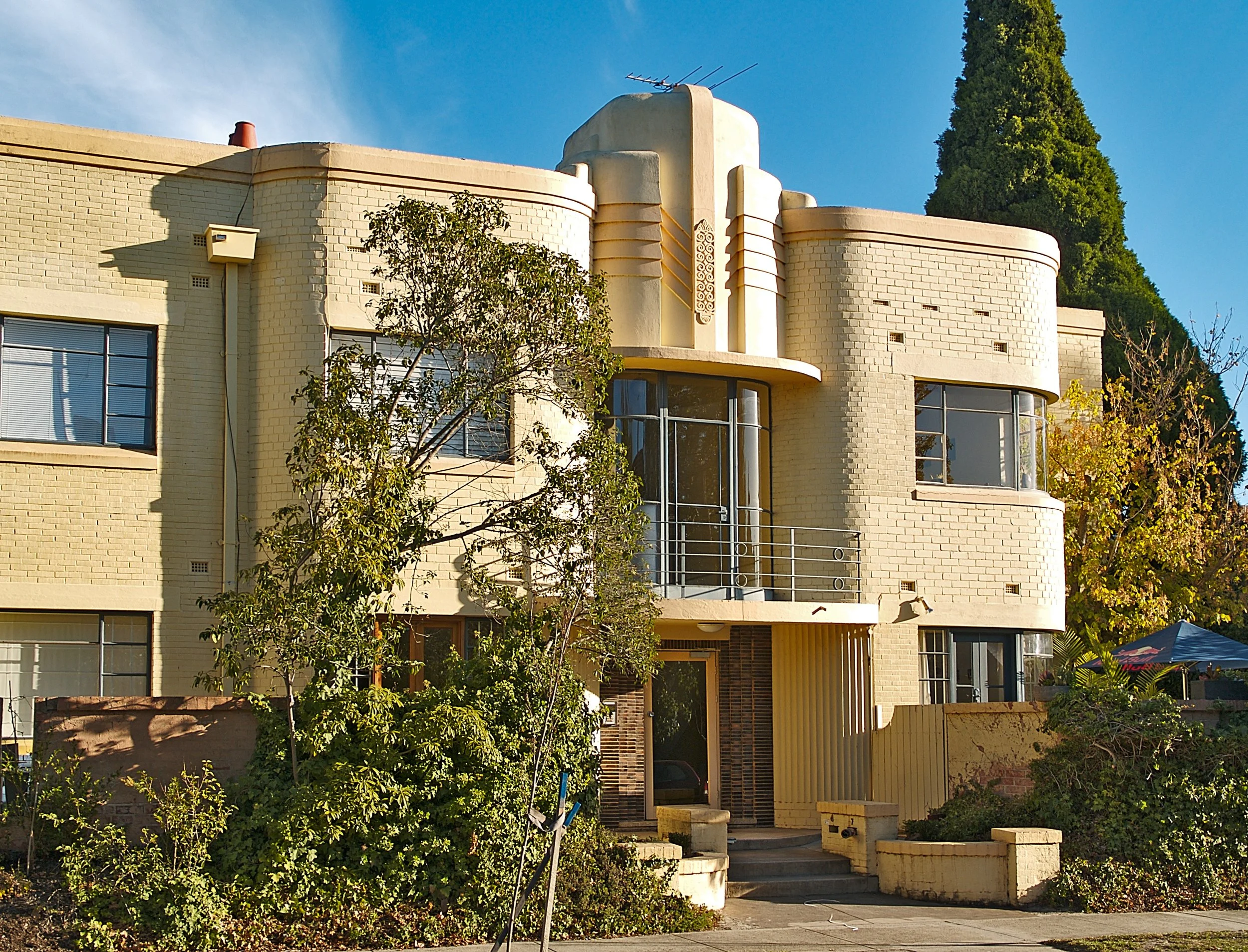
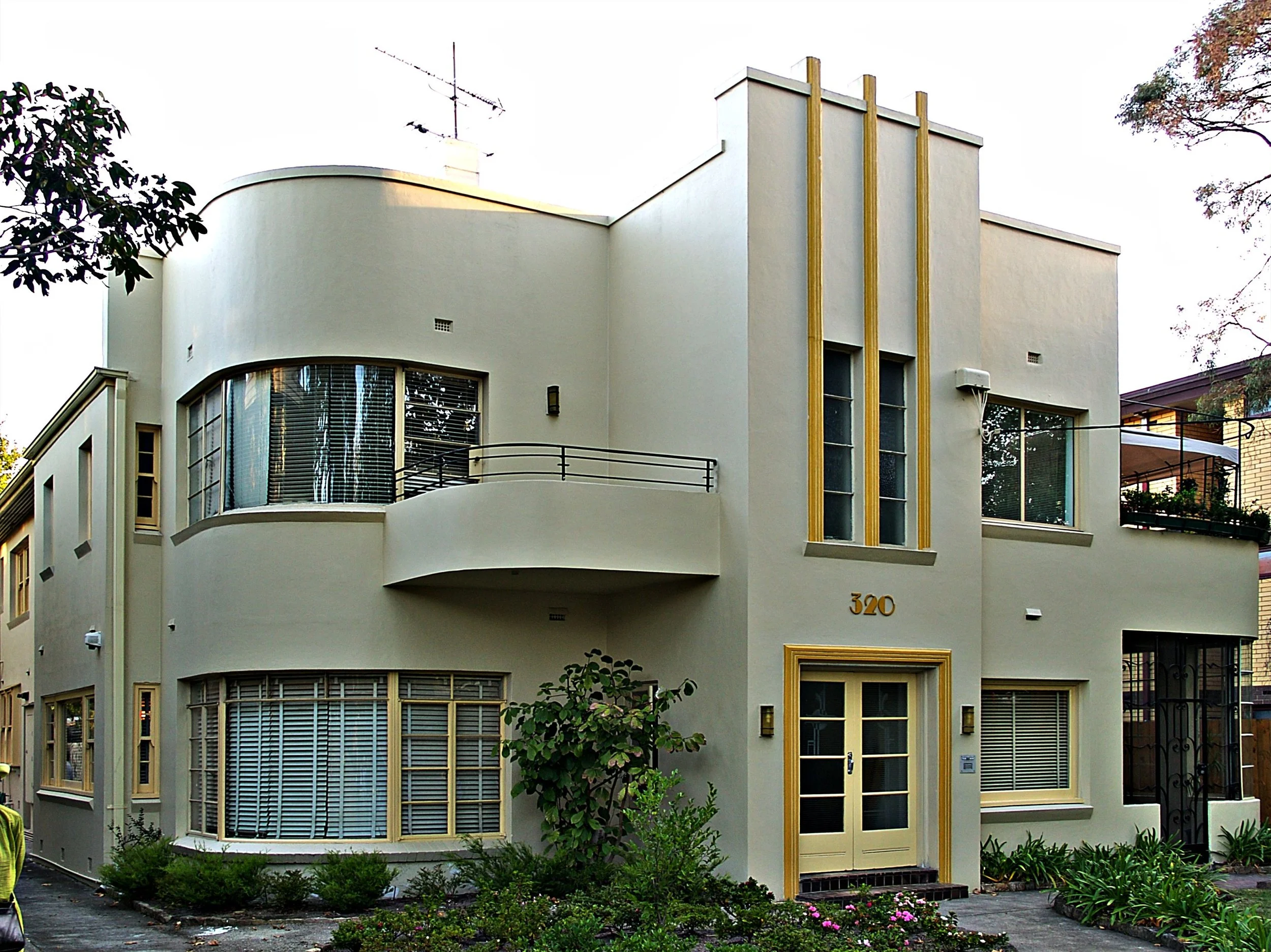
Art Deco (1920s-1940s): Modernism and Glamour
The interwar period brought a dramatic shift in architectural philosophy. Art Deco rejected the ornamentation of previous eras in favor of streamlined forms, geometric patterns and an embrace of modern materials. This revolutionary movement swept through architecture, furniture, fashion, jewellery and graphic design, reflecting society's optimism about industrialization and progress.
In Melbourne, Art Deco is particularly prominent in apartment buildings and flats, especially in suburbs like South Yarra, St Kilda and Elwood. The style also appeared in standalone homes, though less commonly than in multi-residential buildings. Many Art Deco structures were built to replace older buildings or fill new subdivisions, catering to a modern, urban lifestyle.
Key features to preserve:
Geometric facades with stepped or zigzag profiles
Streamlined horizontal lines and curved corners
Decorative motifs: sunbursts, chevrons, stylized florals and Egyptian-inspired patterns
Chrome, steel and glass as prominent materials
Curved or porthole windows
Terrazzo floors in entrance halls and common areas
Bold color contrasts: cream, black, gold and vibrant accent colors
Geometric tilework in bathrooms and kitchens
Stylized plasterwork with angular or stepped details
Original light fixtures in geometric or streamlined forms
Metal-framed windows with geometric subdivisions
Built-in joinery with clean lines and inlaid details
Modernization considerations for Art Deco:
Art Deco buildings were often designed with modern living in mind, so they adapt more naturally to contemporary needs than Victorian or Federation homes. However, their distinctive aesthetic requires careful handling:
Preserve original tilework, terrazzo and chrome fixtures—these materials define the style
Maintain geometric patterns in joinery, glazing and decorative elements
When updating kitchens and bathrooms, consider modern interpretations that reference Deco geometry
Original color schemes were often bold—research period-appropriate palettes rather than defaulting to neutrals
Light fittings are particularly important—Art Deco lighting is a signature element worth restoring or replicating
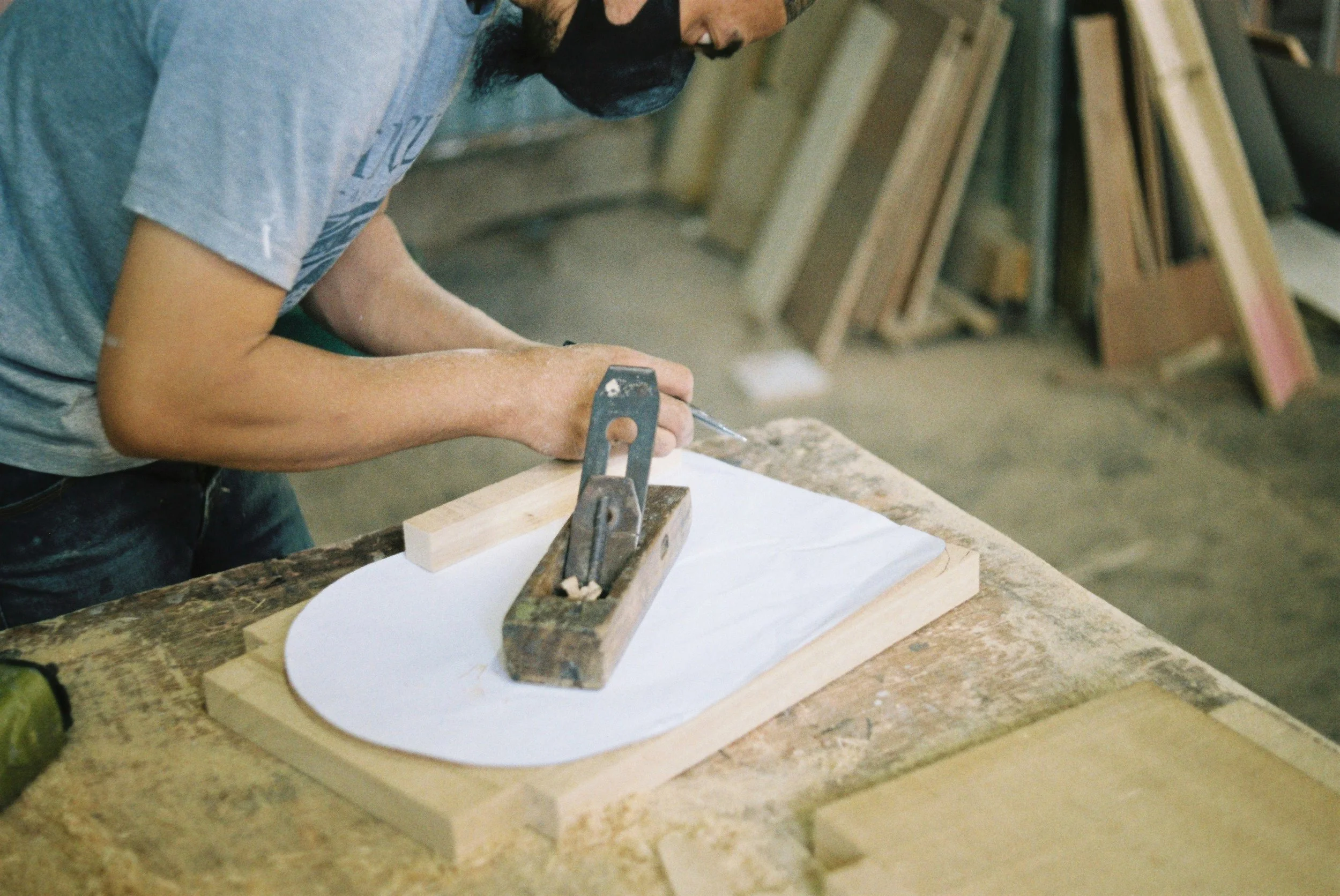
Photo by Yudha Aprilian on Unsplash
The Modernization Framework: Preserve, Restore, Adapt, Extend
Successful heritage modernization follows a clear hierarchy: identify what must be preserved, restore what's been damaged or lost, adapt period spaces for contemporary use and extend thoughtfully when more space is needed.
1. Preserve: The Non-Negotiables
These elements define your home's character and should almost never be altered:
Street-facing facades: The front elevation, including roofline, verandah, windows and ornamental features, establishes your home's contribution to the streetscape. Maintain original proportions, materials and details. A heritage consultant is recommended at the planning stage to ensure there are no overlay requirements.
Ornamental plasterwork and pressed metal: Ceiling roses, cornices and decorative panels are difficult to replicate authentically. Even damaged examples can often be restored by specialized plasterers.
Original joinery: Timber architraves, skirting boards, door and window frames and built-in furniture represent craftsmanship that's expensive to replicate. Stripping paint from these elements often reveals beautiful timber worth showcasing. Where replacement are required, there are companies that specialise in heritage details and will work with you to achieve the best result. As a starting point, perhaps look into larger specialty companies such as AMC first.
Fireplaces: Even if non-functional, period fireplaces are focal points. Restore rather than remove and consider converting to gas for both ambiance and efficiency. Original inserts can be restored or salvaged, for those hoping to retain this feature. If you’d prefer to modernise the insert, keep in mind that original inserts were quite shallow and that modern gas fireplaces may not fit into the existing depth. It’s not impossible, it’s just a challenge. Try Schots for direct replacements.
Tessellated tiles and decorative flooring: These are signatures of the era. If damaged, specialist companies can match patterns and repair sections. A skilled heritage builder will be able to assist with sourcing this.
2. Restore: Bringing Back Lost Features
Many period homes have lost original features during previous renovations. Restoration can dramatically improve character:
Ceiling roses and cornices: If removed, consider reproduction plasterwork or pressed metal alternatives. Companies throughout Melbourne specialize in period-appropriate replacements. Explore Plaster Profiles (I’ve worked with them with good results). For pressed metal ceilings, I’ve worked with Melbourne Pressed Metal Designs and Schots.
Timber floors: Many period homes have original hardwood floors hidden under carpet or vinyl. Professional sanding and finishing can reveal beautiful tallowood, spotted gum or blackbutt.
Window hardware and doors: Replace modern hollow-core doors with solid timber alternatives. Restore or replace window hardware with period-appropriate fittings. Architectural salvage yards are treasure troves for authentic pieces.
Front verandah and lacework: If cast iron lacework is damaged or missing, several Melbourne foundries can reproduce patterns or you can source salvaged pieces that complement your home's era.
Colour schemes: Research period-appropriate colour palettes. Victorian homes often featured rich, contrasting colours on external trim. Federation homes used earthy tones. Californian Bungalows showcased natural materials with minimal paint.
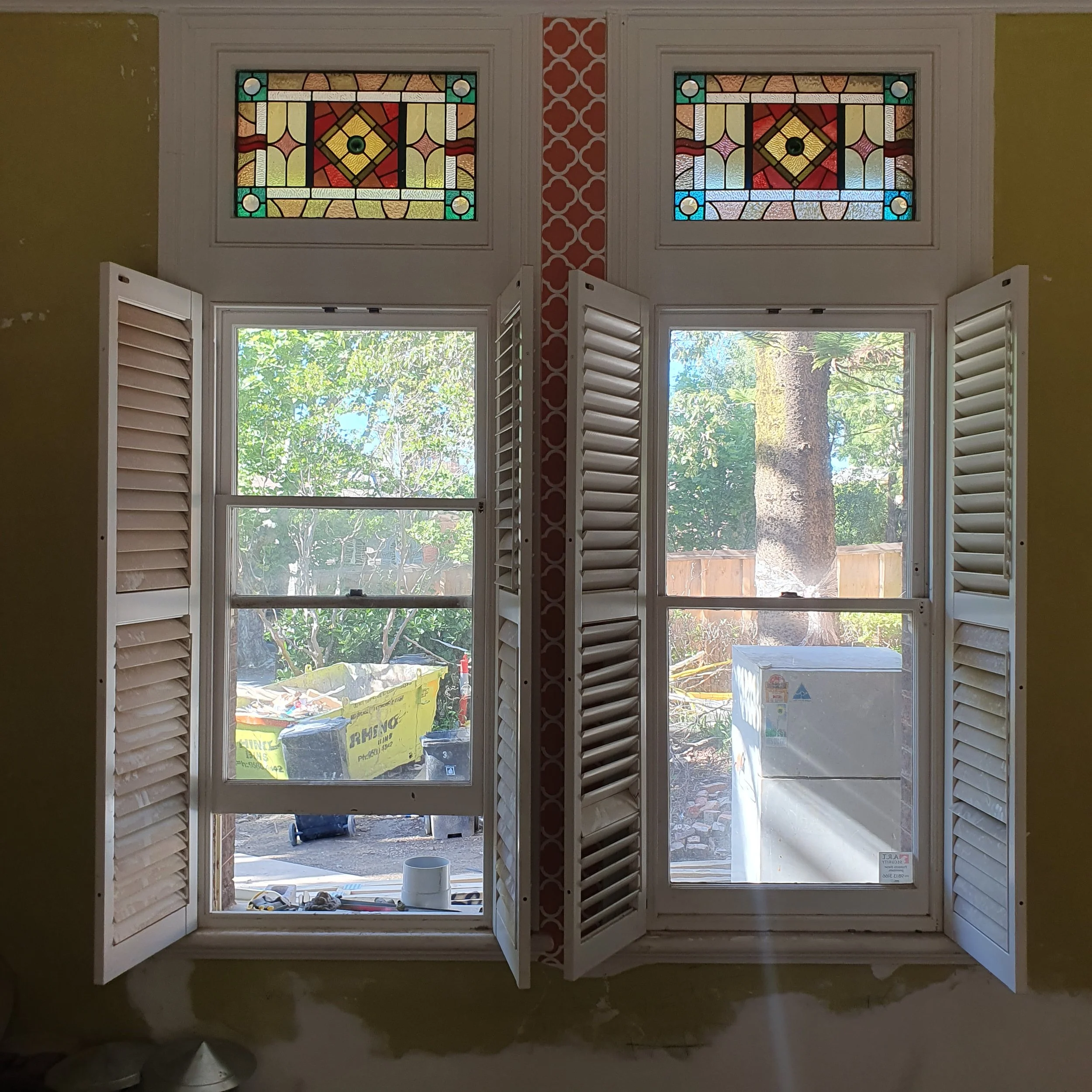
Original photo of victorian era facade windows
3. Adapt: Making Period Spaces Work for Modern Living
Victorian and Federation homes were designed for different lifestyles. Adaptation allows period spaces to function for contemporary families while preserving character:
Kitchens and bathrooms: These are the most commonly updated rooms. Use sympathetic materials and finishes i.e. marble or stone benchtops, reclaimed/heritage reproduction tiles and traditional-style fixtures reference the period without sacrificing modern functionality. Consider placing appliances behind joinery panels to maintain aesthetic continuity.
Heating and cooling: Hydronic heating in floors or skirting boards is invisible and effective. Ceiling fans complement high ceilings. If installing split systems, locate units discretely and avoid visible conduits on street-facing walls.
Lighting: Modern LED lights can work in period settings when thoughtfully integrated. Use period-style pendants and wall sconces in featured spaces. There are a plethora of excellent modern designers that create lighting that is modern but have traditional motifs/finishes. Recessed lighting works in less prominent areas but avoid cutting into ornate ceilings.
Open-plan living: Rather than demolishing walls in the front rooms (the 'public' rooms), consider opening up service areas at the rear. Many period homes work well with formal front rooms retained and a more open kitchen-dining area in an extension. If possible, an extension in a clear, modern style would contrast and compliment a heritage house. Try to avoid imitating the house’s style. Honor and be true to the house’s story.
Insulation and glazing: These homes weren't built with energy efficiency in mind. Add insulation in roof spaces and under floors where accessible. For windows, secondary glazing preserves original timber frames while improving thermal performance. Avoid replacing original windows with aluminum alternatives.
Repurposing rooms: Formal parlours make excellent home offices or music rooms. Former servant's quarters or sleep-outs can become ensuites or walk-in robes. Work with the bones of the house rather than against them.
4. Extend: Adding Space Respectfully
When extensions are necessary, the goal is complementary design—not replication or stark contrast:
The 'link' approach: Create a transitional space—a hallway, glazed section or subtle level change—between old and new. This clearly delineates the addition while maintaining visual connection.
Material palette: Use materials that complement without imitating. Natural timber, painted weatherboards or dark-framed glazing can respect the original while reading as contemporary.
Roof forms: Step down from the original roofline or use a different pitch. This subordinates the extension and preserves the original's prominence.
Scale and proportion: Match ceiling heights in the extension to create flow, but use modern detailing. High ceilings without period ornament create a sense of spaciousness that respects the original home's generosity.
Visibility from the street: Extensions should be minimally visible from public spaces. Set additions back from the front facade and keep them lower in height where possible.
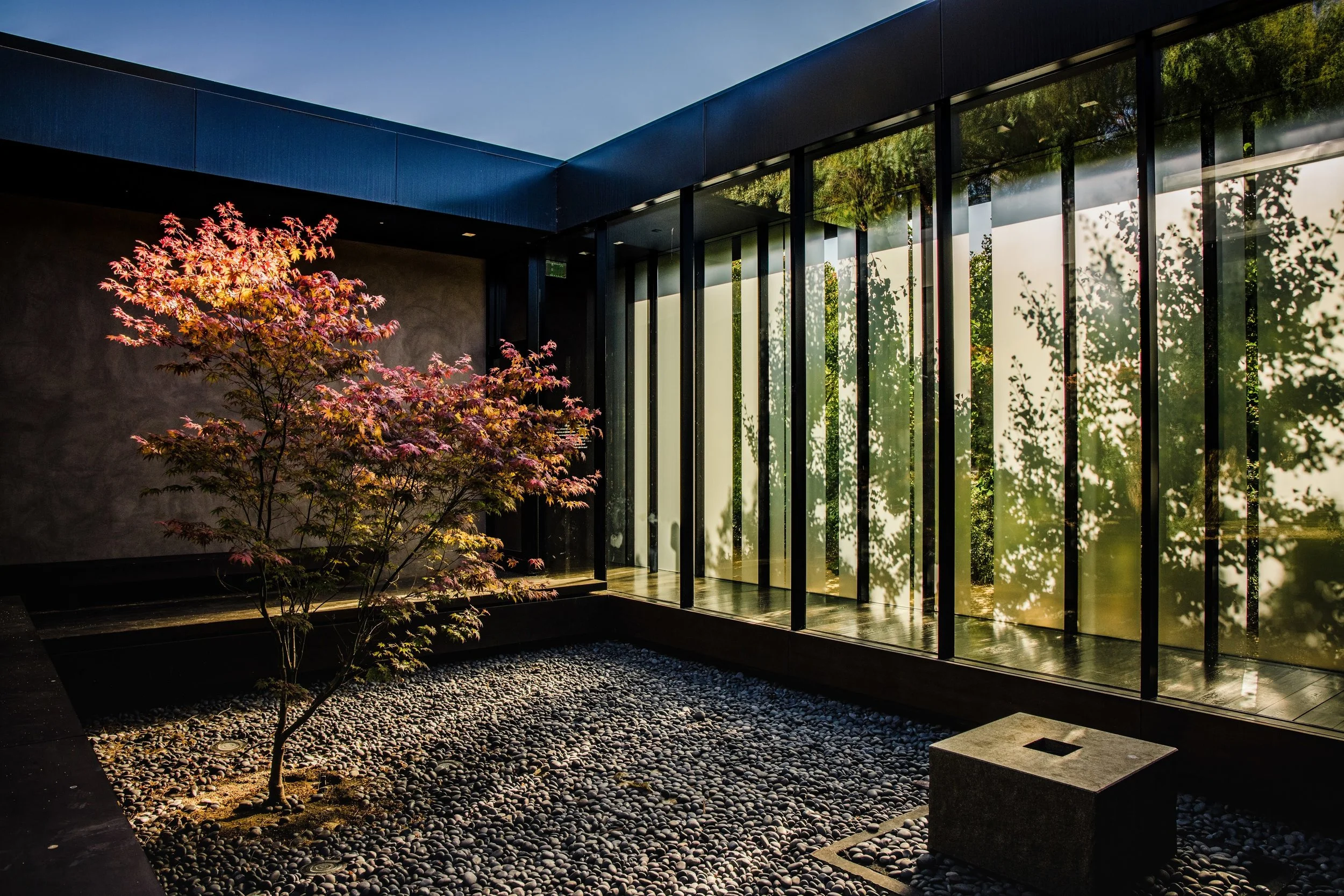
Courtesy of Freepik
Common Pitfalls to Avoid
Even well-intentioned renovations can diminish heritage character. Watch for these common mistakes:
Fake period features: Cheap reproduction features often look worse than clean, modern alternatives. If you can't afford quality restoration, keep it simple rather than installing obvious replicas.
Mismatched eras: Don't add Victorian details to a Federation home or vice versa. Each period has distinct characteristics. Respect your home's original identity.
Over-modernizing the front rooms: Removing fireplaces, lowering ceilings or installing modern fixtures in formal rooms destroys the home's character. Save contemporary interventions for service areas and extensions.
Inappropriate materials: Where possible, avoid aluminum windows, vinyl cladding, rendered brick (on unpainted homes) and other materials that clash with the period aesthetic.
Ignoring the streetscape: Your home is part of a larger architectural context. Front fences, gardens and building setbacks contribute to neighbourhood character. Preserve these relationships.
Painting unpainted brick: If your home has face brick, it was meant to be seen. Painting brick is difficult to reverse and often masks beautiful craftsmanship.
Working with Heritage Overlays and Regulations
Many Melbourne suburbs have heritage overlays that require planning approval for external alterations. While this adds a step to your project, it also helps preserve the character that makes these neighbourhoods desirable.
Check your property's status: Visit your council's planning maps online to see if your home is in a heritage overlay or is individually listed.
Engage early: Consult with council heritage advisors before finalizing plans. They can guide you on what alterations are acceptable and may suggest approaches you hadn't considered.
Focus on the rear: Extensions and major alterations to the rear of properties typically face fewer restrictions than front-facing changes.
Document existing conditions: Photograph everything before starting work. This helps with approvals and provides a record of original details that can guide restoration.
Finding the Right Professionals
Heritage renovation requires specific expertise. Look for professionals who:
Have proven period renovation experience
Understand heritage regulations and have worked with heritage overlays
Can source or fabricate period-appropriate materials
Demonstrate respect for original features rather than eagerness to replace everything
Can balance heritage sensitivity with building code compliance
Specialists to consider include heritage architects, restoration builders, traditional plasterers, leadlight craftspeople and specialist decorative painters familiar with period colour schemes and techniques.
Final Thoughts: Living Heritage
If you’ve made it this far - thank you. It’s a subject that we’re passionate about so we want to ensure we give people the best chance for a successful outcome.
A period home is a living piece of Melbourne's history. The goal of modernization isn't to create a museum—it's to create a comfortable, functional home that honours its past while serving contemporary needs.
The most successful renovations come from understanding what makes your home special, then making thoughtful decisions about what to keep, what to restore and what to change. This takes time, research and often costs more than a standard renovation. But the result (a home with character, craftsmanship and a sense of place) is worth the investment.
Your heritage home has survived a century or more of Melbourne's evolution. With care and respect, it will continue to tell its story for generations to come. One that now includes your chapter of stewardship and adaptation.
Resources:
National Trust of Australia (Victoria) — Heritage advice and advocacy
Heritage Victoria — Government heritage services and listings
Melbourne Pressed Metal Designs — Reproduction pressed metal ceilings
Schots Home Emporium — Period hardware and architectural features
Demolition Centre & Recycled Timber Melbourne — Salvaged architectural elements
State Library of Victoria — Historical research materials
State Library of NSW — Historical photographs
Need further advice? Get in touch for your complimentary 30 min Discovery Call