

Multi-Generational Homes Australia
Part 2: Essential Features and Layout Tips

Multi-Generational Home Design: Essential Features and Layout Tips
This is Part 2 of a 2 part series on mutli-generational home design. For part 1, click here.
This is where planning becomes critical. A multi-generational home is not simply ‘a bigger house.’ It requires considered spatial choreography.
Zoning and Privacy in Multi-Generational Homes
Separate sleeping wings or levels reduce noise transfer and protect rest. Dual master suites allow both younger and older generations to feel respected. Strategic bathroom placement prevents congestion during morning routines which may differ from one generation to another.
Acoustic insulation is often overlooked but invaluable. Solid core doors, insulated walls and layered materials can reduce noise transfer significantly, improving day-to-day comfort. The difference between hearing every conversation and having actual privacy is often a matter of specification, not budget.
Flexible Living Spaces for Extended Family Homes
Rooms should evolve as family dynamics change. A study today may become a nursery and then a carer's room. Operable partitions allow spaces to expand during gatherings and contract for quiet evenings. Heavy curtains are my favourite way to close off spaces as they’re a softer alternative to a screen/wall and, depending on the fabric weight & lining, can provide acoustic buffering. I suggest this for small space homes however it works very well in any setting.
Kitchen Design for Multi-Generational Family Living
In multi-generational households, kitchens work hard. Larger prep zones, generous bench space and considered circulation are essential. In some cases, a secondary kitchenette or butler's pantry reduces friction during shared cooking. I’d even go so far as to assign a kitchenette for all areas. It saves annoyances in the kitchen when parents are trying to make dinner and the kids come in for snack or Grandma pops in for a cup of tea. If everyone has a small zone for their essentials, all is calm. Hopefully.
Spatial planning is key to allow circulation for all members of the family. This is the first step in the design process and needs to be resolved before selecting finishes, fixtures or cabinetry styles. Without proper spatial planning that establishes clear work zones, adequate clearances (minimum 1200mm between opposing benches) and logical workflow between pantry, preparation and cooking areas, even the most expensive kitchen will fail functionally in a multi-generational household where multiple cooks, different mobility levels and varying schedules demand thoughtful circulation that prevents bottlenecks and daily friction.
Durable materials matter here. Surfaces should withstand daily use without constant maintenance. Beauty must align with performance. The durability of all materials and fixtures are vital to establish a sustainable household. It’s also important to understand the best maintenace schedule. Good maintenance extends the life of fixtures and finishes. When building new, you should be provided with a care & maintenance manual for everything in the house.
Accessible Bathroom Design for Ageing in Place
Step-free showers. Reinforced walls for future grab rails. Slip-resistant flooring. Good task lighting. Designing for accessibility from the outset avoids expensive retrofitting later. Importantly, these considerations can be integrated seamlessly without clinical aesthetics. Accessibility does not need to look institutional.
Bathrooms are where mobility limitations become most apparent and most dangerous. Falls in bathrooms are the leading cause of injury-related hospitalisations for Australians over 65, yet most of these incidents are preventable through thoughtful design. The key is designing for accessibility from the outset rather than retrofitting later, which is both expensive and disruptive.
Essential features include step-free shower access with recessed trays or tiled floors (minimum 1:80 gradient to waste), adequate shower sizing (minimum 1000mm x 1000mm, ideally 1200mm x 1000mm to accommodate shower chairs or future carer assistance), and reinforced walls with 18mm structural plywood backing installed during construction around showers and toilets for future grab rail installation. Specify minimum 870mm door leaf widths to achieve the 850mm clear opening required under AS 1428.1 for wheelchair access, and ensure doors open outward into hallways so they cannot be blocked if someone falls. Slip-resistant flooring with minimum R10 rating, lever-style taps for arthritic hands, good task lighting (minimum 300 lux general, 500 lux at mirrors) and adequate heating are all critical for elderly users. These need to be double checked and approved by a building surveyor for compliance to code.
These accessibility features can be integrated seamlessly without institutional aesthetics—a well-designed accessible bathroom simply looks like a generous, well-planned bathroom that accommodates everyone regardless of ability. For families caring for parents with dementia or cognitive decline, clear colour contrast between floors, walls and fixtures assists with depth perception, while night lighting (LED strips under vanities or motion-activated lights) prevents disorientation during nighttime bathroom visits. This investment in proper accessible design allows ageing parents to maintain independence and dignity at home for years longer, delaying or eliminating the need for institutional care.
Dual Living and Independent Access Options
Where site and council regulations allow, self-contained studios, garage conversions or separate entrances provide autonomy. Independence within proximity strengthens family dynamics.
Consider a family in Thornbury who recently converted their garage into a self-contained studio for an ageing parent. Independent entrance, kitchenette, full bathroom. The result: proximity without intrusion. The parent maintains dignity and routine. The family remains connected without constant negotiation of shared space.
Storage Solutions for Multi-Generational Households
Bulk food storage. Linen for larger households. Mobility aids. Heirlooms. Religious items. Generous, concealed storage maintains visual calm while accommodating complex lives. In homes with multiple generations, storage is not decorative. It is crucial.
This is where professional spatial planning becomes essential. Architects and interior designers work collaboratively on design intent, managing the entire home from structural layout through to material selection and finishes. Joiners and cabinet makers excel at fabricating beautiful cabinetry with meticulous attention to detail, but they're typically engaged after spatial decisions has been made and may not be involved in the broader design strategy that determines how the kitchen functions as part of the whole house. An accredited interior designer is capable of project planning, management and communications amongst all stakeholders so that you, as the client, know that they are your contact point to understand how the project is progressing and what needs to be approved or reviewed. They provide timely reminders, regular meetings and clear communication to ensure that you’re informed and comfortable with the process.
Outdoor Spaces for Gathering and Retreat
Multiple seating zones allow both communal celebration and solitary quiet. Covered outdoor dining areas accommodate extended family gatherings and allow for warmer pockets where family members can enjoy the fresh air even in winter. Add an outdoor heater, a warm blanket and even the eldest member of the family will feel comfort in cool, outdoor spaces.
Smaller garden pockets create retreat while large, open spaces allow freedom fo movement. Side by side, they provide everyone some breathing room. Outdoor space functions as emotional buffer.

Courtesy of Freepik
Emotional Architecture: Designing Multi-Generational Homes with Dignity
Beyond layouts and specifications lies something more subtle. A multi-generational home should not make anyone feel peripheral. Elders should not be relegated to the least desirable room. Young families should not feel constantly observed.
Light quality matters for ageing eyes. Consider smart lights where you can allocate ‘scenes’ where the lights are gentle in the evenings but brighten in spaces used by kids and the elderly. Thermal comfort affects wellbeing. Supplementary heating panels to areas occupied by kids & grandparents are higly regarded as the heat provided is much gentler on the skin. Clear circulation reduces cognitive load. Small decisions compound. Refer to this article for further references of mental health and the home.
When done well, these homes become places of shared memory. Children witness rituals passed down. Grandparents remain embedded in daily life. Stories accumulate in walls that are designed to endure.
This is legacy design.
Common Mistakes in Multi-Generational Home Planning
Without deliberate intervention, multi-generational homes can strain relationships.
The most common mistakes are predictable. Insufficient bathrooms for the number of occupants. Bedrooms placed too close together without acoustic separation. Lack of dedicated retreat space. A single living area that forces constant negotiation. Invisible domestic labour falling on one family member because the home was not designed to distribute tasks fairly.
The cost of poor planning is rarely visible on a floorplan, but it is felt daily. Resentment accumulates. Privacy becomes impossible. The house that was meant to bring family together becomes a source of aggravation.
Professional spatial planning should not be an afterthought in these projects. It is preventative and proactive. It anticipates conflict before it manifests. A well-designed multi-generational home should reduce stress, not amplify it.
Sustainability Through Longevity in Multi-Generational Home Design
There is also an environmental dimension worth noting.
Multi-generational living reduces housing sprawl. It maximises existing land. It consolidates energy use. It extends occupancy cycles rather than encouraging frequent turnover.
But sustainability here is not only about solar panels or water tanks. It is about designing homes that do not need to be rebuilt every decade. Durability becomes central. Adaptability becomes non-negotiable. Material selection shifts toward longevity over fashion.
Designing for 20 years instead of five changes everything.
Multi-Generational Home Design in Melbourne: What You Need to Know
Melbourne's planning regulations generally permit secondary dwellings (granny flats) up to 60 square metres in residential zones, subject to specific setback and design requirements. Multi-generational homes with dual kitchens or separate living areas typically require planning permits.
Key considerations for Melbourne multi-generational homes:
Planning permit requirements vary by council (City of Melbourne, Boroondara, Moreland, Yarra, Darebin, Port Phillip and others have specific guidelines)
ResCode provisions apply to residential developments
Acoustic requirements under Building Code of Australia
Energy efficiency standards (6-star minimum, with 7-star becoming standard)
Heritage overlays in some suburbs may restrict alterations
Site coverage and permeability requirements
Private open space requirements
Popular Melbourne suburbs for multi-generational homes include Glen Waverley, Box Hill, Doncaster, Springvale, Clayton, Reservoir and Preston, where larger land sizes and cultural diversity support extended family living.
Consult with your local council early in the design process to understand specific requirements for your site.
How Much Does a Multi-Generational Home Cost in Australia?
Design costs for multi-generational homes vary based on complexity, but expect $15,000 to $35,000 for architectural services for a comprehensive design. Construction costs for a purpose-built multi-generational home in Melbourne or Sydney typically range from $450,000 depending on size, specifications and site conditions. This assumes:
200-300 square metre floor area
Quality fixtures and finishes
Standard site conditions
Separate living zones with dual master suites
Accessible bathroom design
Acoustic insulation upgrades
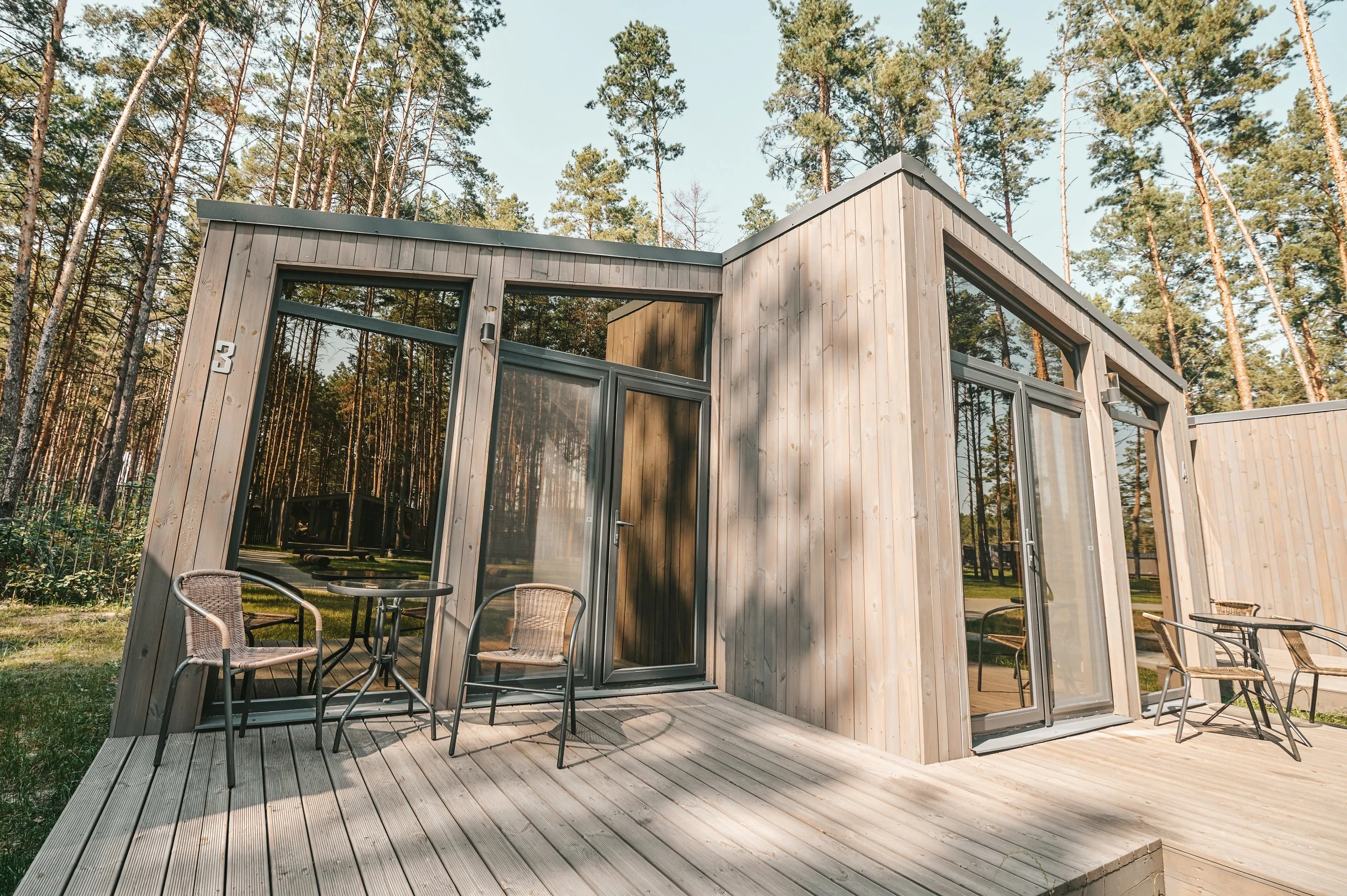
Granny flat or secondary dwelling additions typically cost $150,000 to $280,000 for a self-contained 50-60 square metre studio (approx.). Renovation and extension projects to accommodate multi-generational living vary widely but generally start from $250,000 for substantial modifications.
Courtesy of Freepik
The Future of Australian Multi-Generational Homes
The nuclear household is no longer the only aspiration. Economic realities, cultural diversity and demographic change are reshaping how we live. Multi-generational homes are not a sign of failure. They’re a reflection of resilience, care and evolving identity. When designed with rigour, they offer privacy and proximity. Independence and interdependence. Stability and adaptability.
If you’re considering a home that supports multiple generations, spatial planning is not optional. It’s foundational.
Start with a conversation, not a floorplan. Understand how each generation lives. What they value. What they need to feel at home. Then translate that understanding into space. A well-designed home does more than house people. It protects relationships. It carries memory. It adapts across decades.
And that is a future worth designing for.
FAQ
-
A multi-generational home is a dwelling designed to accommodate multiple generations of a family (typically grandparents, parents and children) under one roof, with intentional zoning for privacy and shared living spaces. These homes balance communal areas with private retreats to support harmonious extended family living.
-
Design costs vary based on complexity, but expect $15,000 to $35,000 for architectural services. Construction costs for a purpose-built multi-generational home in Melbourne or Sydney typically range from $450,000 to $850,000 depending on size and specifications. Granny flat additions cost $150,000 to $280,000.
-
Yes. Multi-generational homes with separate living areas, dual kitchens or secondary dwellings typically require council approval through a planning permit or development application. Requirements vary by local council and zoning regulations. Secondary dwellings (granny flats) up to 60 square metres are generally permitted in most Melbourne and Sydney council areas, subject to specific conditions.
-
Essential features include separate sleeping wings for privacy, acoustic insulation between living areas, dual master suites, accessible bathrooms with step-free showers, flexible living spaces, independent access where possible, generous concealed storage and multiple outdoor zones. Good design balances shared communal spaces with private retreat areas.
-
In most cases, yes, subject to size restrictions and setback requirements. Melbourne councils generally allow secondary dwellings up to 60 square metres in residential zones. Sydney councils typically permit granny flats up to 60 square metres on properties larger than 450 square metres. Specific regulations vary by council area, so consult your local planning department early in the process.
-
Key considerations include step-free entries and showers, reinforced walls for future grab rails, wider doorways and hallways (900mm minimum), good task lighting, slip-resistant flooring, accessible bathroom fixtures, ground floor bedroom and bathroom options, thermal comfort and clear circulation paths. Design for accessibility from the outset to avoid expensive retrofitting later.
-
Privacy is achieved through deliberate zoning: separate sleeping wings or levels, acoustic insulation (solid core doors, insulated walls), strategic bathroom placement to avoid congestion, independent access where possible, multiple living areas for different activities, retreat spaces and outdoor zones. Professional spatial planning is essential to balance proximity with privacy.
-
Benefits include shared mortgage and living costs, pooled childcare responsibilities, ageing parents supported at home longer, reduced reliance on external aged care, financial resilience during housing affordability challenges, cultural continuity and intergenerational connection, emotional support across generations and environmental sustainability through consolidated housing.
Bringing the Village Home
This article has been a passion project for me because I believe multi-generational living offers our best path forward in navigating Melbourne's challenging housing market while honouring the independence that the boomer generation values. With thoughtful design and proper planning, we can create homes that genuinely cater for everyone across generations.
Historically, we relied on our village for support, connection and care. We still use the saying ‘it takes a village to raise a child,’ yet we've largely separated our villages from our homes. This never made practical sense. Our village -our most valuable asset - belongs integrated with our homes - our most expensive asset. Multi-generational design simply brings these two together in a way that respects privacy, maintains dignity and creates genuine long-term value for families willing to think beyond the nuclear household model.
The families thriving in multi-generational homes are not those who stumbled into it out of necessity. They are those who planned deliberately, designed thoughtfully and recognised that proximity with autonomy creates strength rather than friction.
Ready to design your multi-generational home? Book a 30-minute consultation to discuss your project.
Photo by Caroline Badran on Unsplash